Discover Lyon through its hills 1
Coline de Fourviere
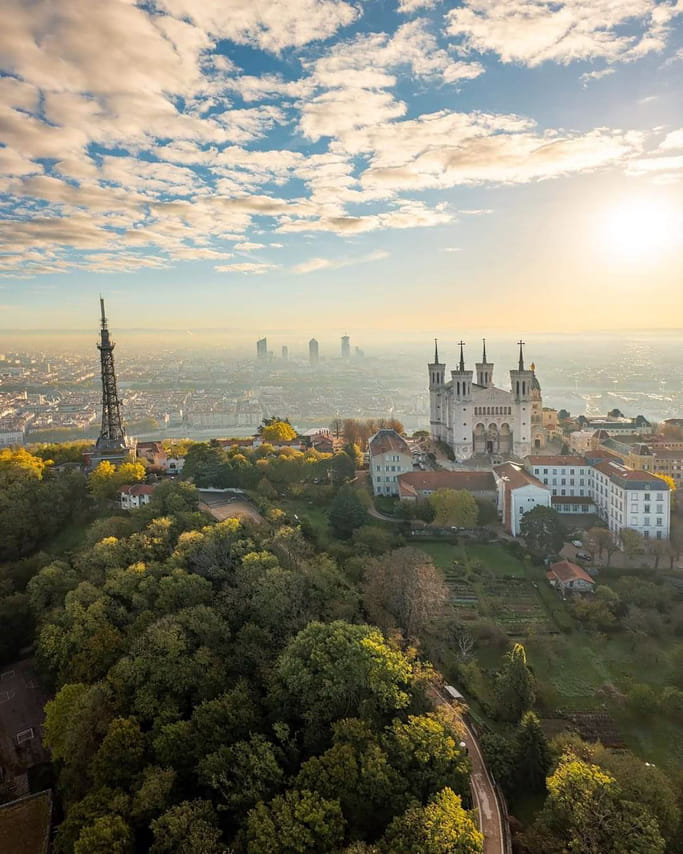
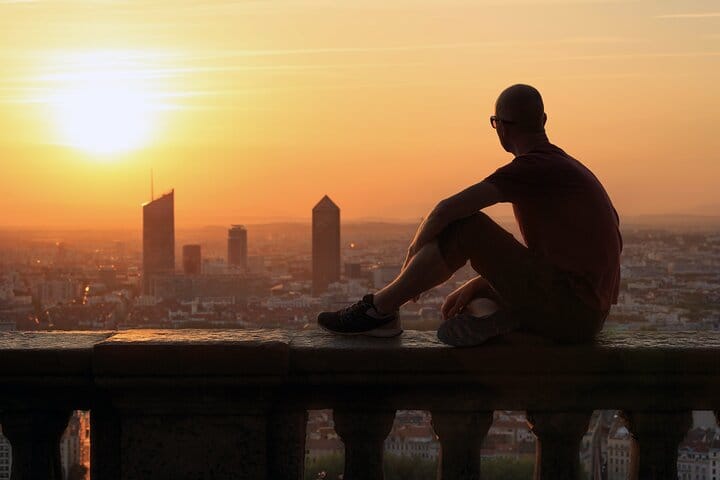
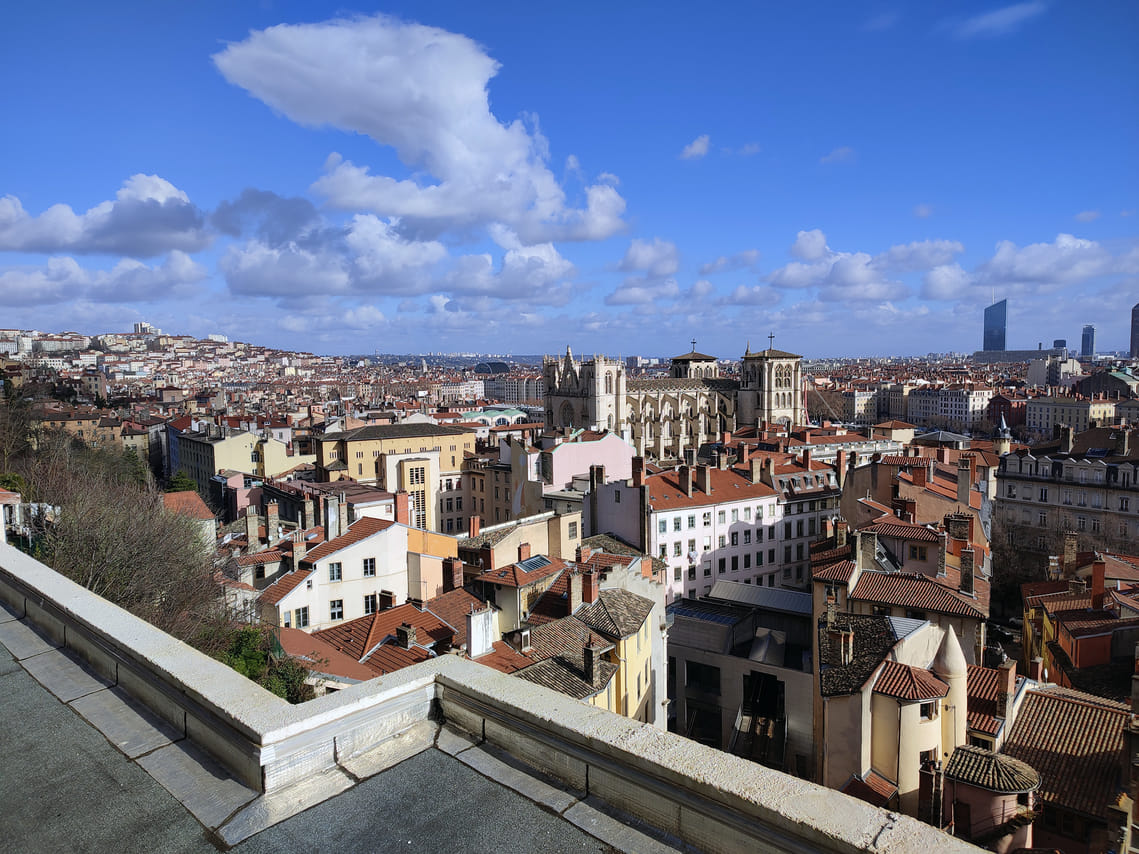
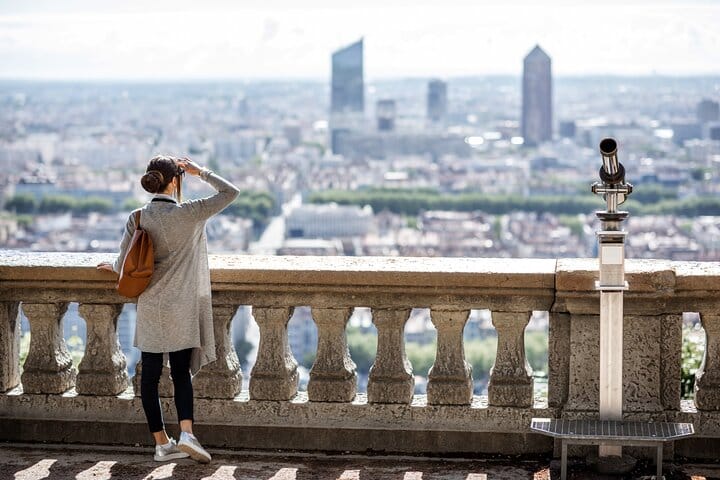
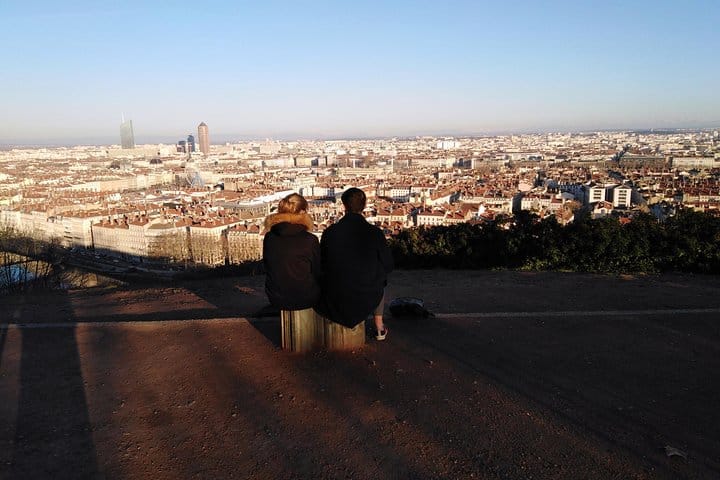
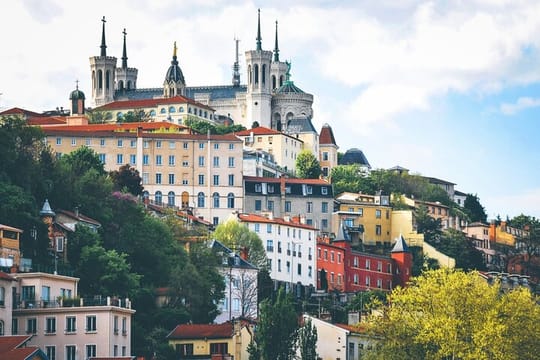
Panorama Fourviere
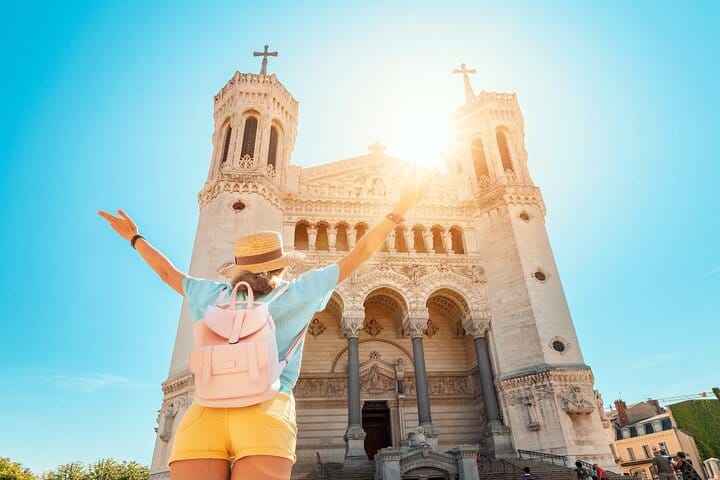
Nôtre Dame de Fourvière
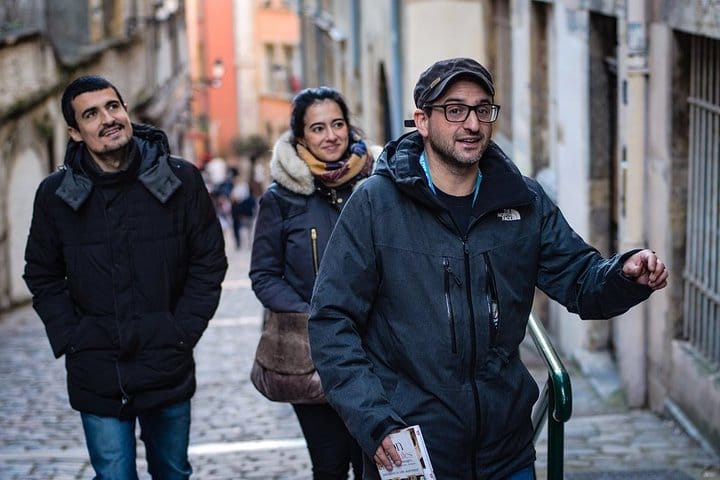
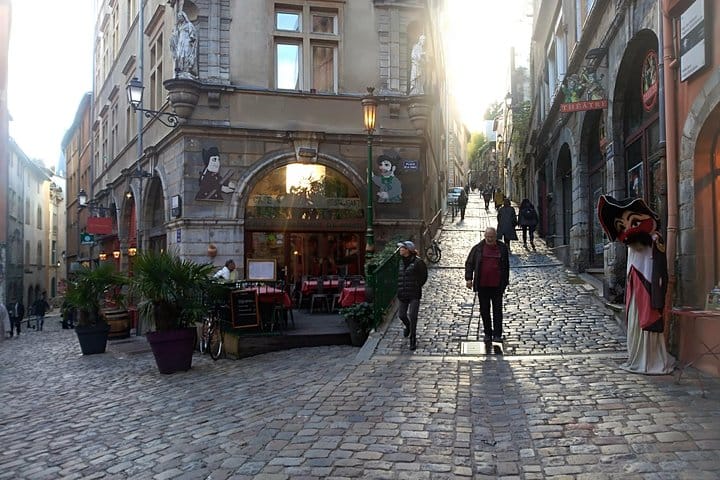
Montee du Gourguillon, Vieux Lyon, Colline de Fourviere, Lyon
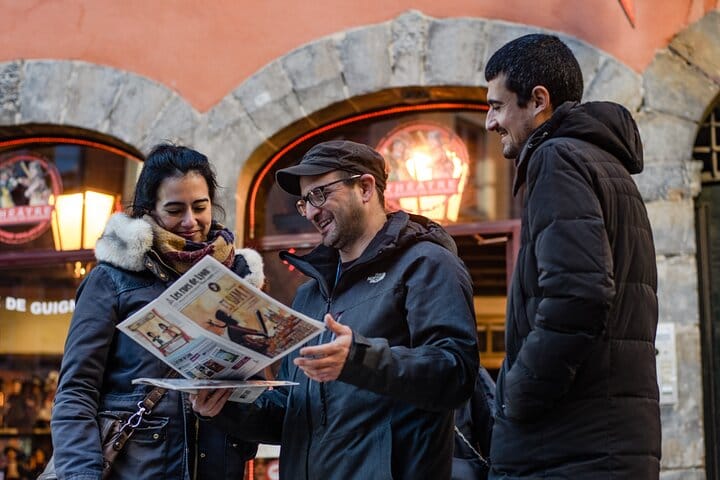
Croix Rousse + Vieux Lyon
Quartier de Saint-Georges, Vieux Lyon, Lyon
Panorama Fourviere été
Jardin des Curiosites, Saint Just Hill,Lyon
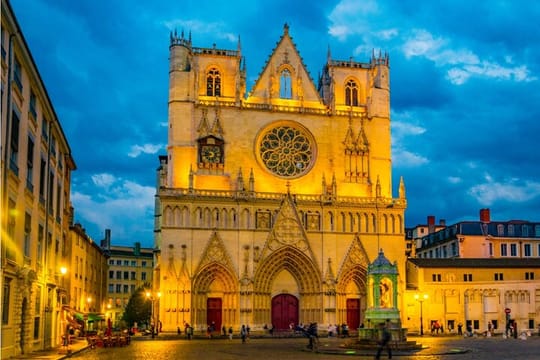
Place de la Trinité, Saint Georges, Lyon
1 / 10

Discover Lyon through its hills

(5)
Lyon, France
Cultural ToursWalking Tours
Instant confirmationSecure checkoutNo hidden fees

About this activity

Ascend Lyon's two most historically significant hills—Fourvière and Croix-Rousse—on a guided 3.5-hour walk that traces the city from Roman settlement to European silk capital. Your guide reveals hidden traboules (covered passageways), Renaissance architecture, and the labour movements that shaped modern France.

Explore the two legendary hills of Lyon, Fourvière and Croix-Rousse, which have shaped the city’s history, culture, and identity for centuries. Located near the city center, these hills reveal Lyon’s fascinating past, from its Roman origins to its role as the capital of silk production.

Fourvière – The Birthplace of Lyon
🏛 Visit the stunning Basilica of Notre-Dame de Fourvière, offering breathtaking panoramic views.
🏟 Explore Roman ruins, including the ancient theater and odeon.
🚶‍♂️ Wander through historic alleyways, where Lyon’s past comes to life.

Croix-Rousse – The Silk Workers’ District
🕵️‍♂️ Uncover the secrets of the traboules, hidden passageways used by silk weavers.
🎭 Learn about the Canuts’ revolution, a pivotal moment in labor history.
🎨 Discover the artistic and bohemian spirit of Croix-Rousse, home to murals and street art.

Highlights

  • Basilica of Notre-Dame de Fourvière with panoramic city views
  • Ancient Roman theatre and odeon ruins
  • Traboules: secretive passageways built by 18th-century silk weavers
  • Canuts uprising history and labour heritage
  • Street art and bohemian character of Croix-Rousse neighbourhood
  • Winding medieval alleyways and Renaissance courtyards

Insider tips

  • Wear comfortable walking shoes with good grip; both hills involve sustained uphill sections and uneven cobblestones
  • Visit early morning or late afternoon to avoid crowds around the basilica and enjoy softer light for photography
  • Ask your guide to point out the silk-weaver looms still visible in apartment windows—a touching reminder of the district's working-class roots

Good to know

  • 3.5-hour duration includes walking and stopping for commentary; expect 8,000–10,000 steps total
  • Hills are steep but navigable for most fitness levels; limited wheelchair accessibility due to cobblestones and stairs
  • Bring water and sun protection; shade is intermittent in narrow alleyways
  • Tour operates rain or shine; waterproof jacket recommended in wet season
  • Meeting point is near city centre; exact location confirmed upon booking

Who it's for

History and architecture enthusiastsCultural and heritage touristsPhotography hobbyists and Instagram-conscious travellersVisitors interested in labour history and social movements

Best time to visit

Spring (April–May) and autumn (September–October) offer comfortable temperatures and clearer views. Avoid midday summer heat on these exposed hillsides. Morning departures (8–9 a.m.) are ideal to beat afternoon crowds at the basilica.

Frequently asked questions

Available
From€180
per person