Tbilisi5h
2 UNESCO Sites in 4 Hours-Mtskheta and Jvari Monastery
4.7(3)
From€17.61€17.57
/ person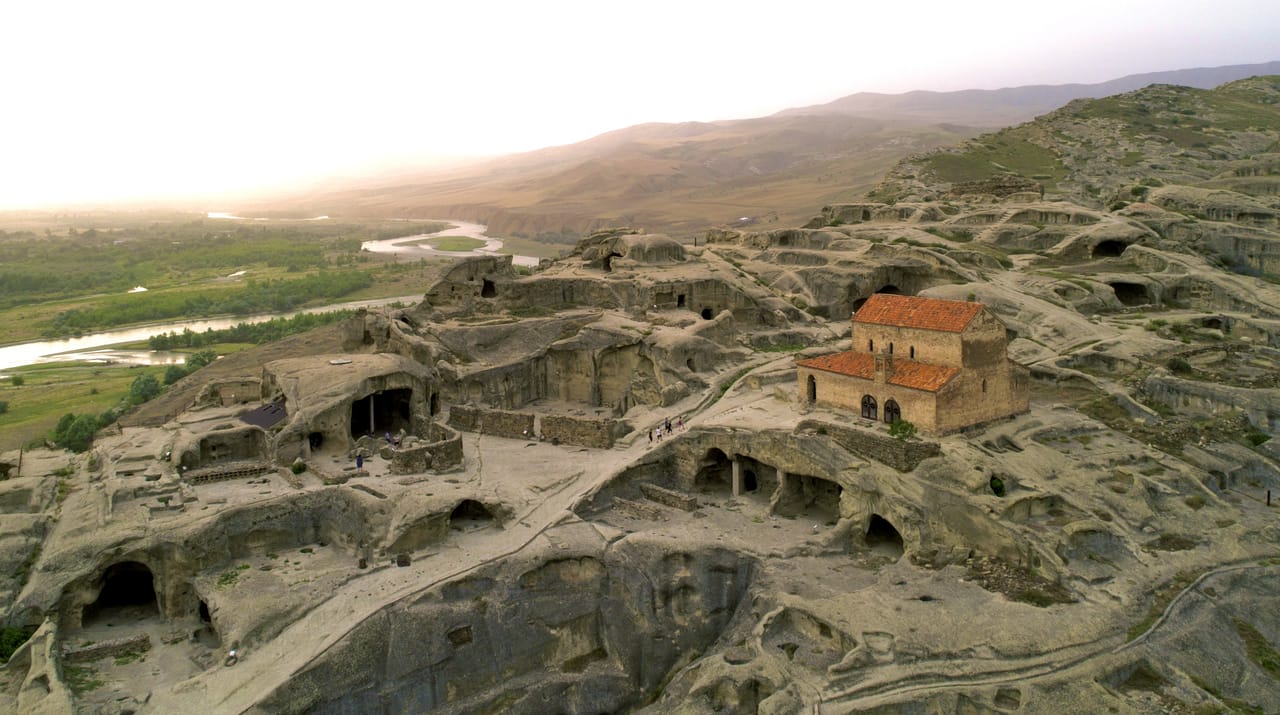
 1 / 10
Explore Georgia's most historically significant region on this 10-hour day trip combining ancient cave cities, UNESCO World Heritage sites, and Soviet-era landmarks. Visit the rock-hewn settlement of Uplistsikhe, the medieval capital of Mtskheta with two UNESCO sites, and Stalin's hometown of Gori in a single immersive journey through Kartli's layered past.
Meeting point: Avlabari Metro Station (Your guide will be holding a branded orange color flag at the entrance of the metro station)
Endpoint: Avlabari Metro Station
Available dates: Every day
Meeting & Check-in time: 08:30
Boarding time: 08:55
Departure time: 09:00
End time: 19:00-19:30
Duration: 10 hours
Language Spoken by a tour guide: English
Group size: 18 people
Tour Type: Daily Tour
Minimum age of a traveler: 5 years old
Explore one of the most mysterious regions of Georgia – Kartli and hear a lot about the country's history. First, visit the memorable Uplistsikhe cave town and dive into the antique life of Georgia. Then, find out more interesting facts in Gori, the hometown of the most famous Georgian, Stalin, and see the unique old capital of Georgia – Mtskheta, where you visit two UNESCO heritage sites, Jvari Monastery, and Svetitskhoveli Cathedral.
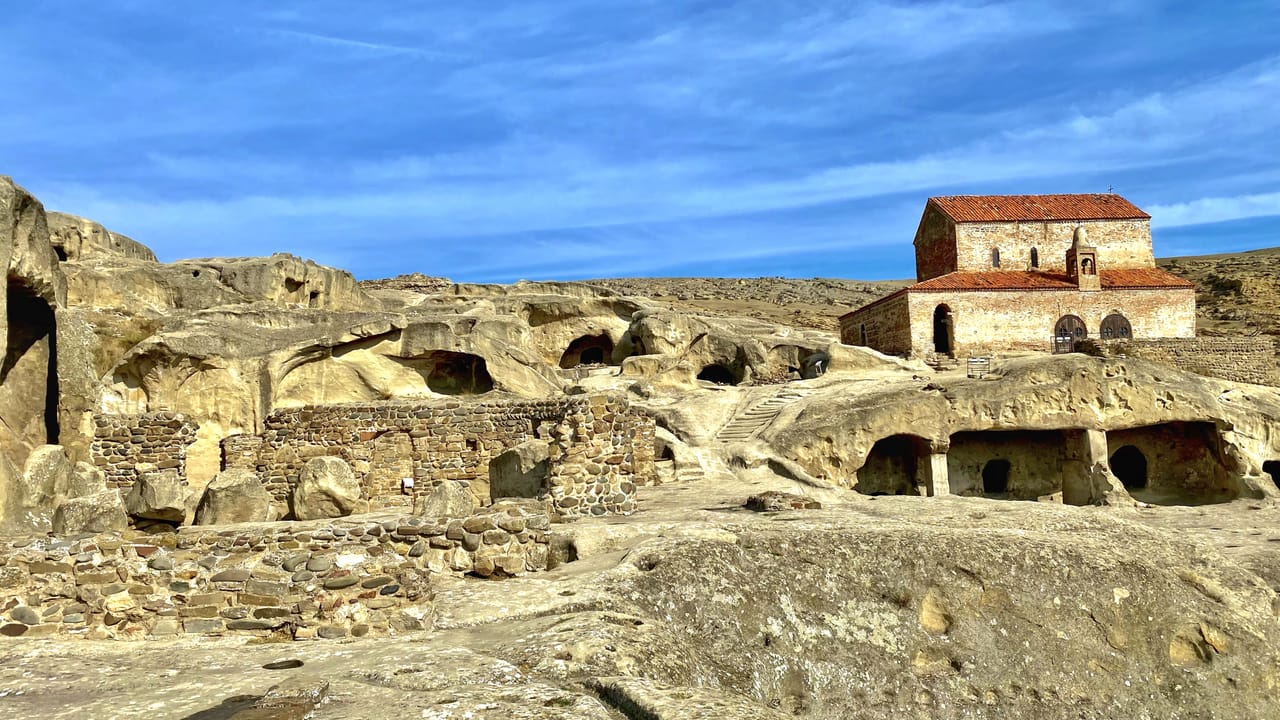
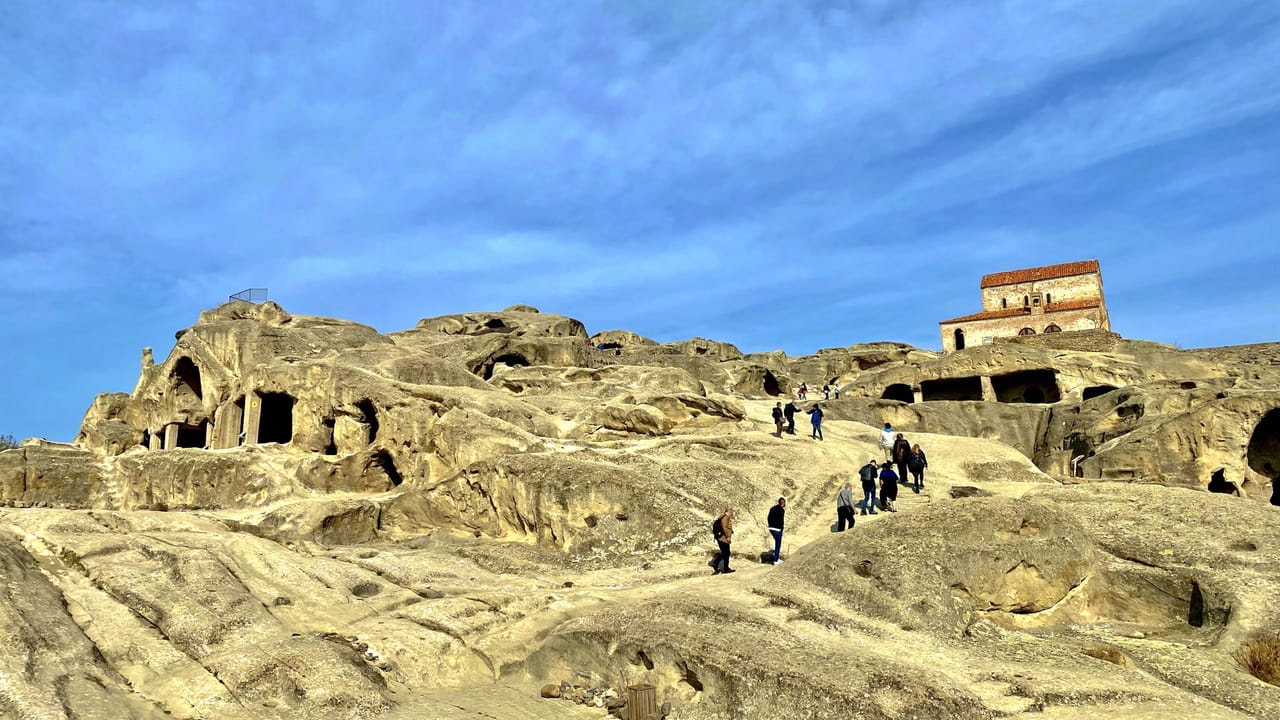
Your first stop is Uplistsikhe, an antique rock-hewn town in eastern Georgia. It contains multiple structures dating from the Early Iron Age to the Late Middle Ages. It is notable for the unique mixture of various rock-cut cultures from Anatolia and Iran's pagan and Christian architecture coexistence. After exploring Uplistsikhe, you can have lunch in the region and try delicious local food.
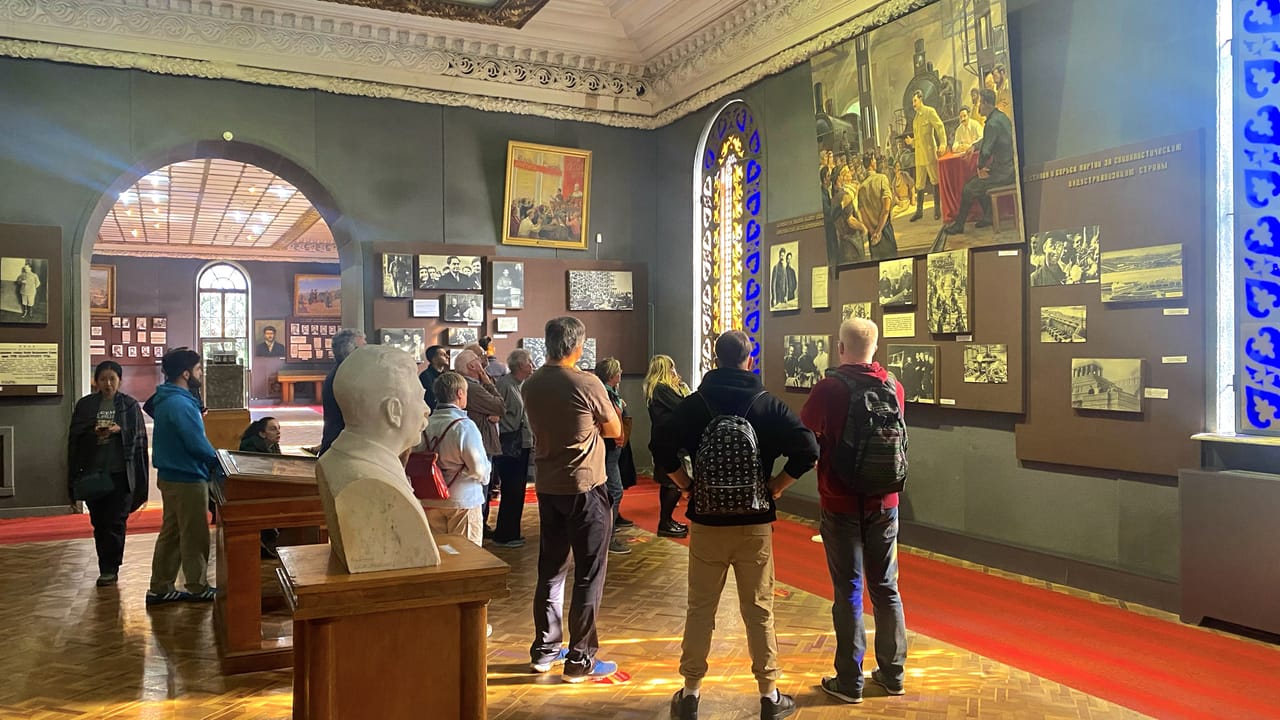
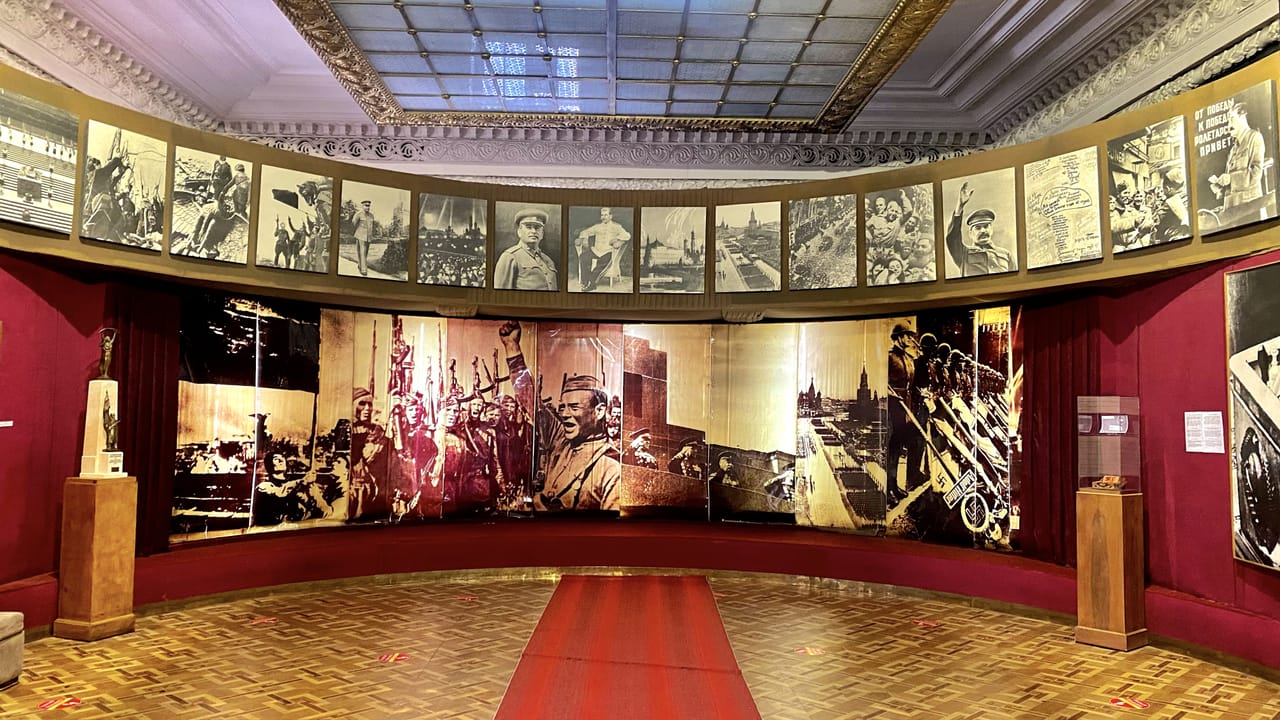
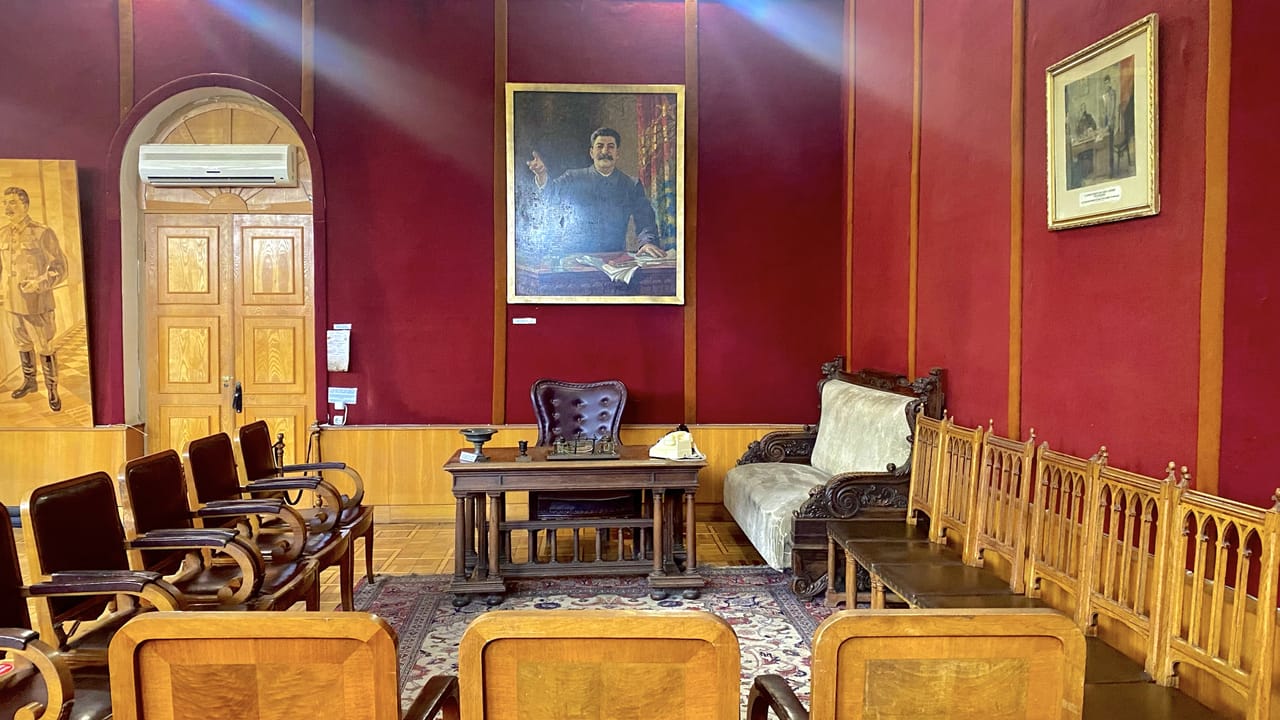
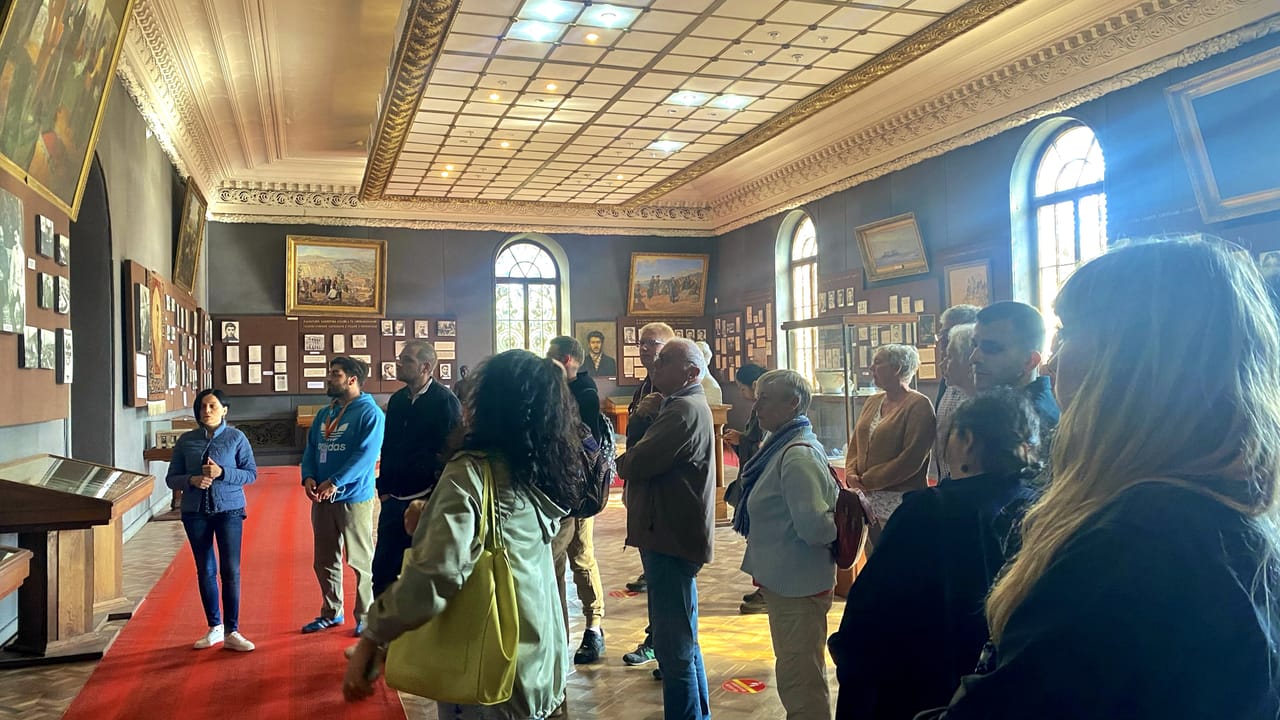
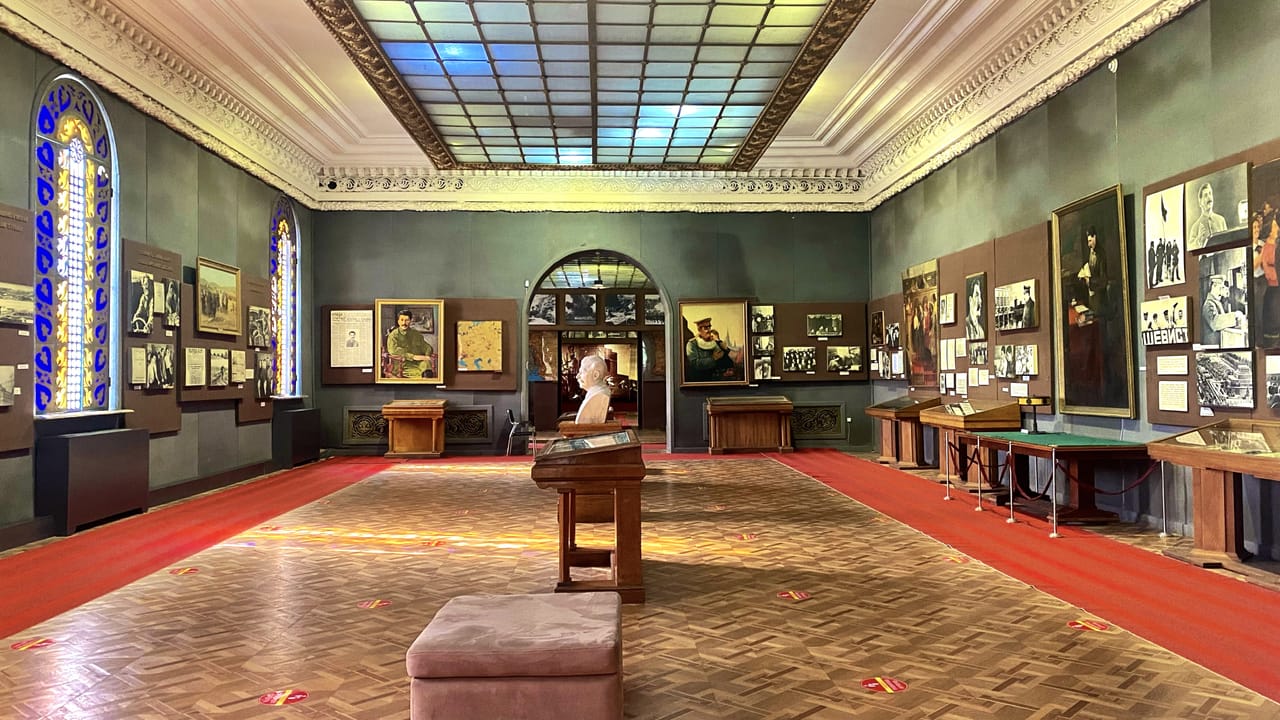
After lunch, you have two options, have free time and explore Gori, the hometown of Stalin, or visit the Stalin Museum, which is a museum dedicated to the life of Joseph Stalin, the leader of the Soviet Union, who was born in Gori. The Museum retains its Soviet-era characteristics, Stalin's Original house, and Stalin's railway carriage.
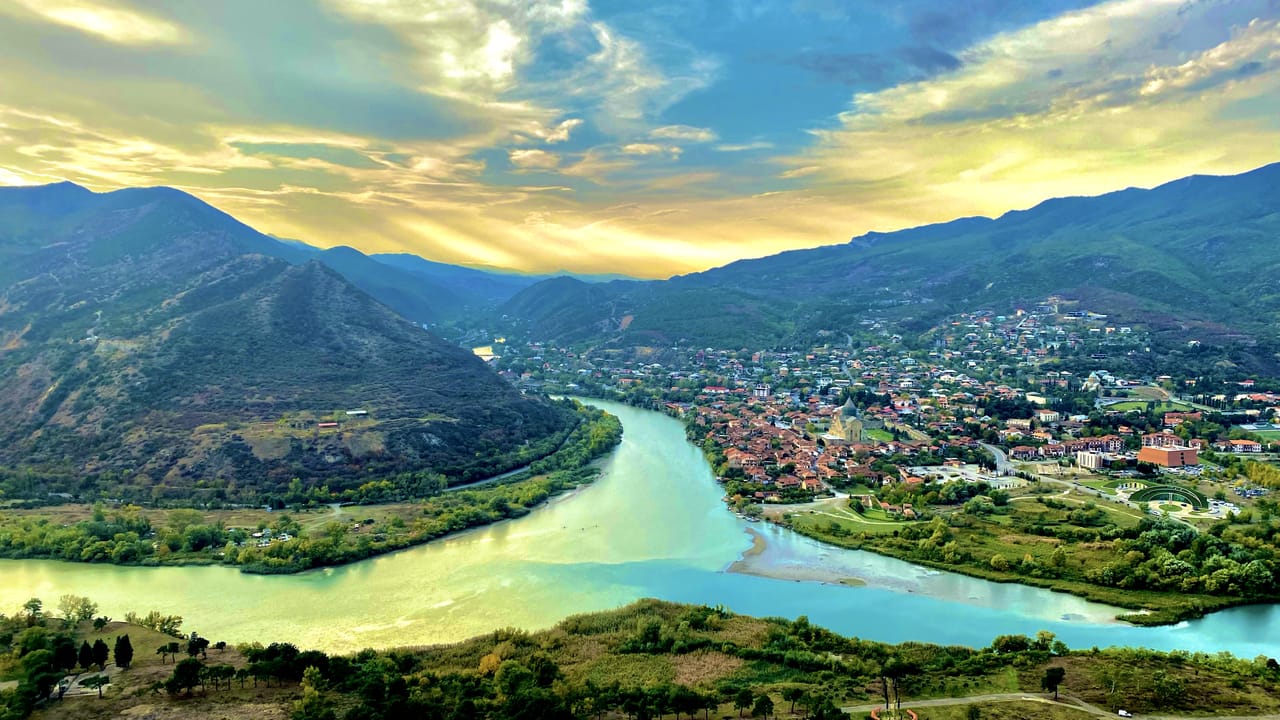
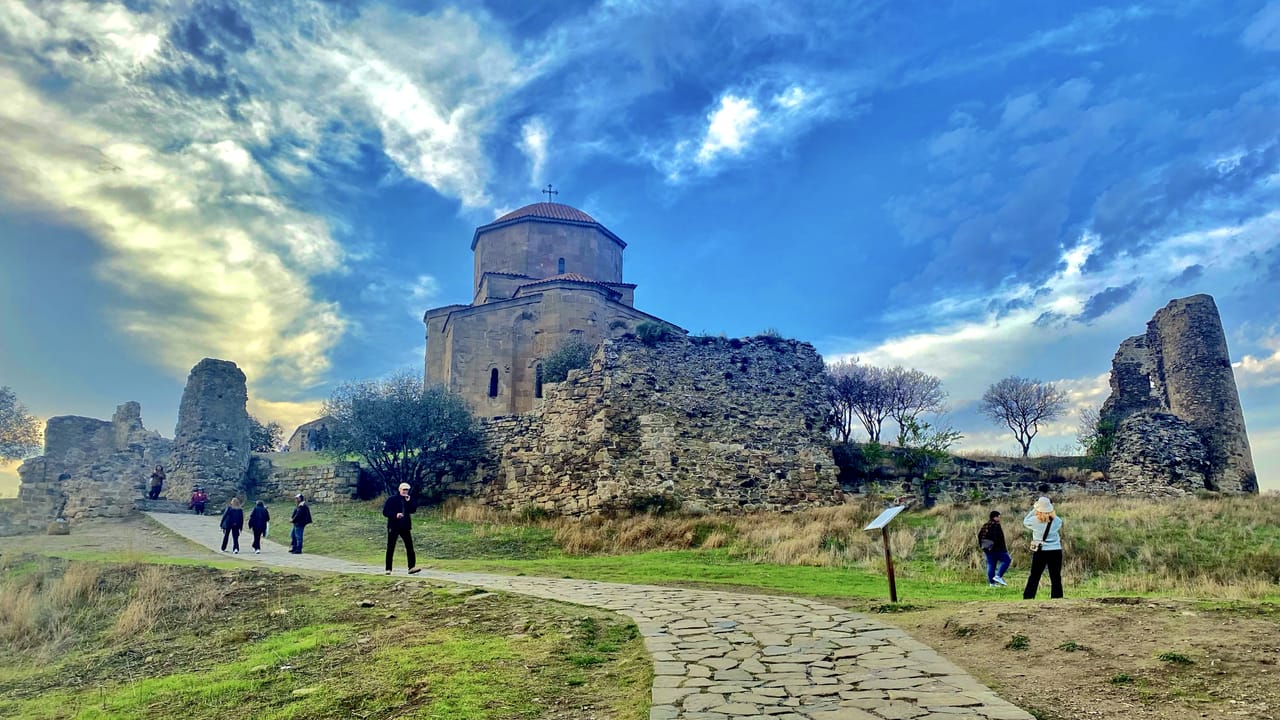
The next stop is Jvari Monastery. The name of this monastery is translated as the "Monastery of the Cross." Jvari Monastery is the 6th-century Georgian Orthodox monastery near Mtskheta. Along with other historic structures of Mtskheta, it is listed as a world heritage site by UNESCO. Jvari Monastery stands on the rocky mountaintop at the mountain confluence of the Mtkvari and Aragvi rivers, overlooking the town of Mtskheta, formerly the capital of the kingdom of Iberia.
The last site on tour is Svetitskhoveli Cathedral in Mtskheta. UNESCO recognizes Mtskheta as a World Heritage site due to its historical significance and several cultural monuments. It was the capital of the early Georgian Kingdom of Iberia from the 3rd century BC to the 5th century AD. Svetitskhoveli is known as the burial site of Christ's robe and has been one of the principal Georgian Orthodox churches and is among the region's most venerated places of worship.
Highlights:
Visit spring (April–May) or autumn (September–October) for pleasant temperatures and clear skies ideal for photography at Jvari and cave exploration. Avoid July–August peak heat, which intensifies sun exposure in Uplistsikhe's exposed cave passages.
Based on 3 ratings
Top-rated, great-value activities in Tbilisi