Klaipeda5h
BIRDWATCH - Premium guided canoe tour at Cape Vente, Nemunas Delta Regional Park
From€107.39
/ person
 1 / 10
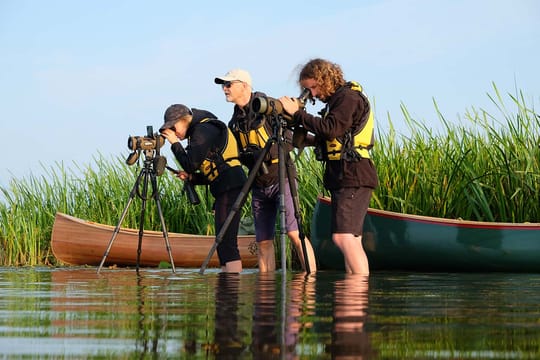
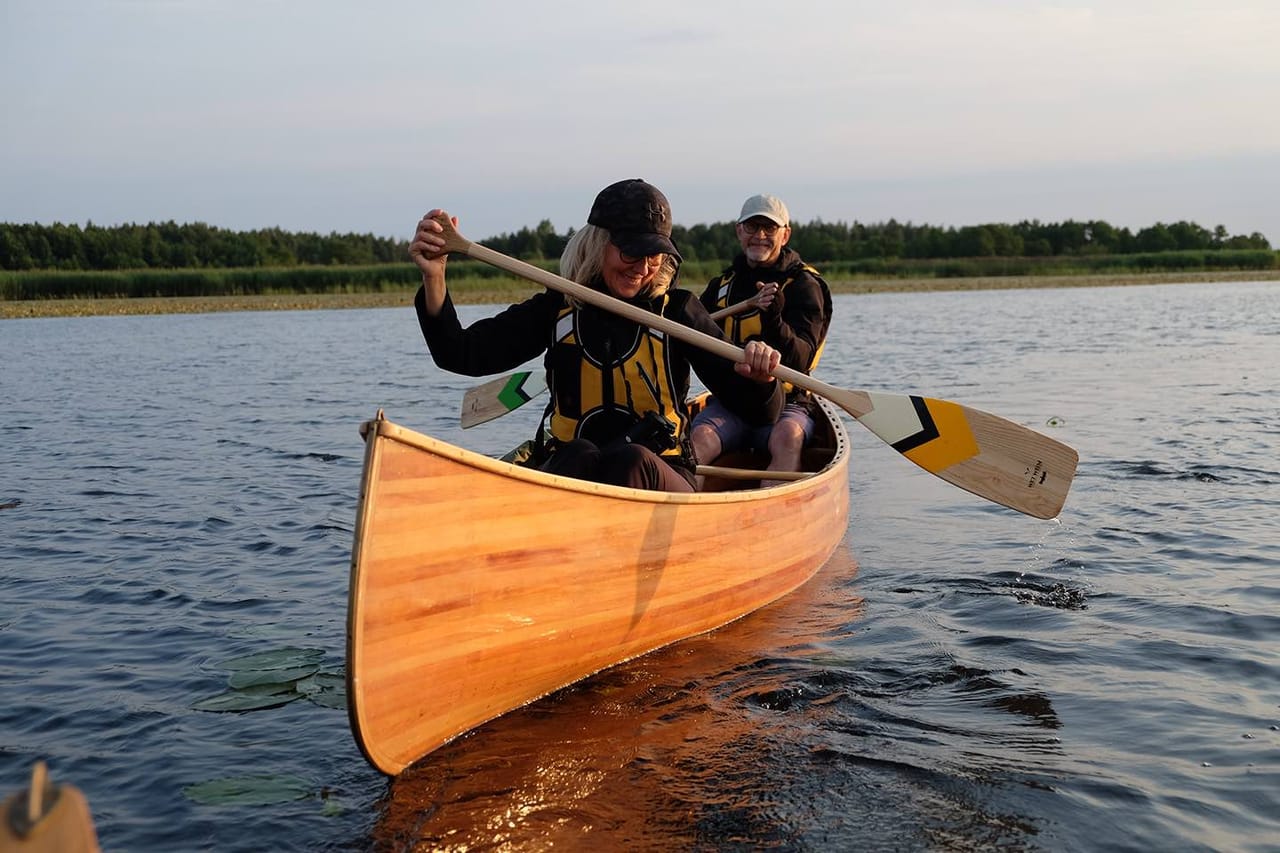
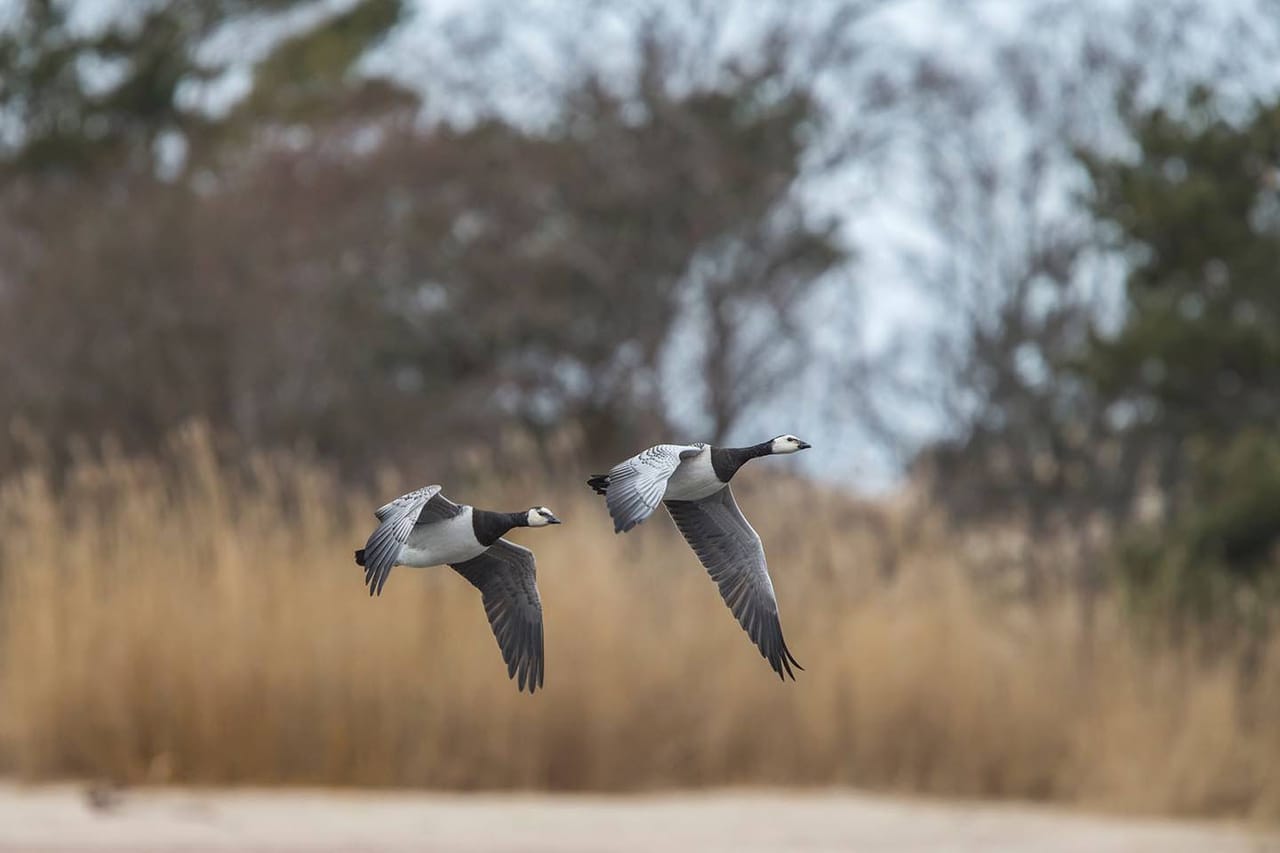
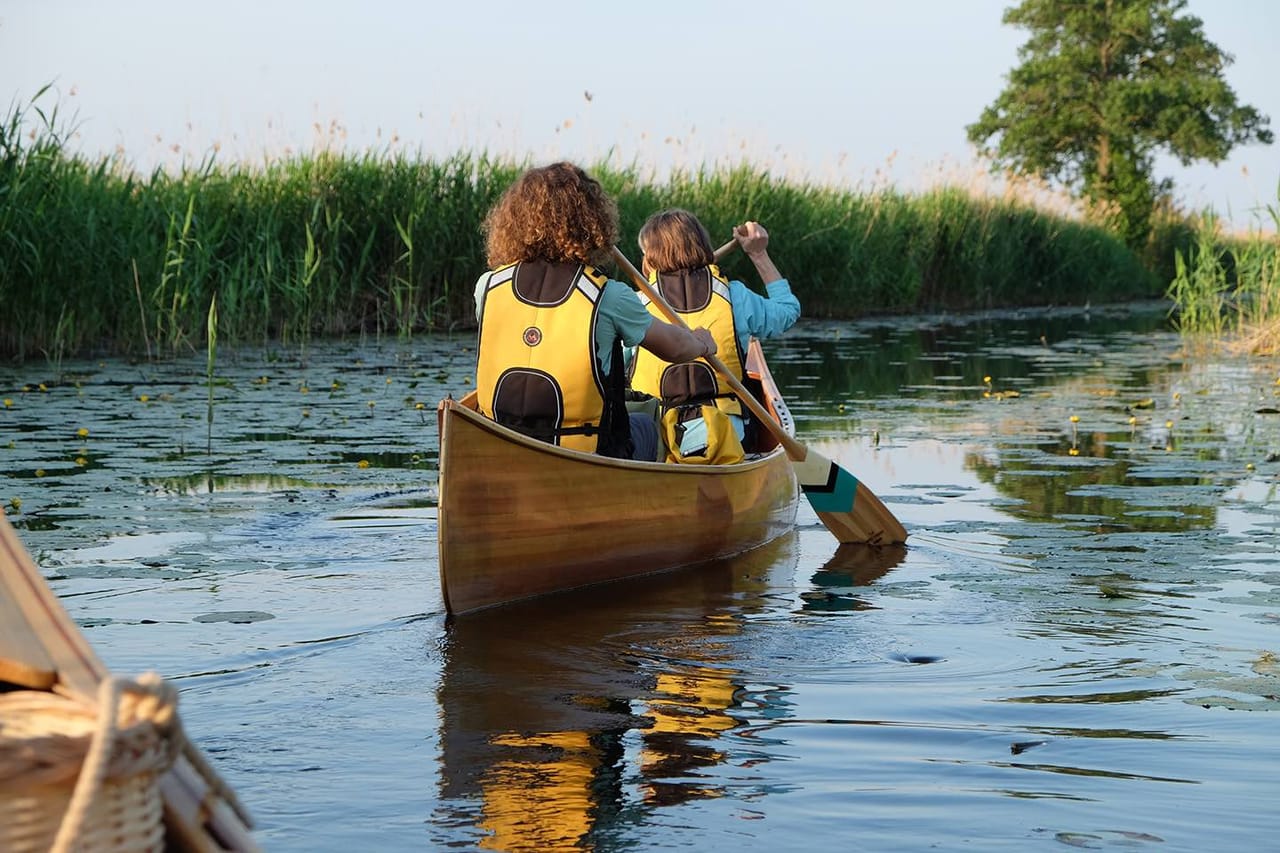
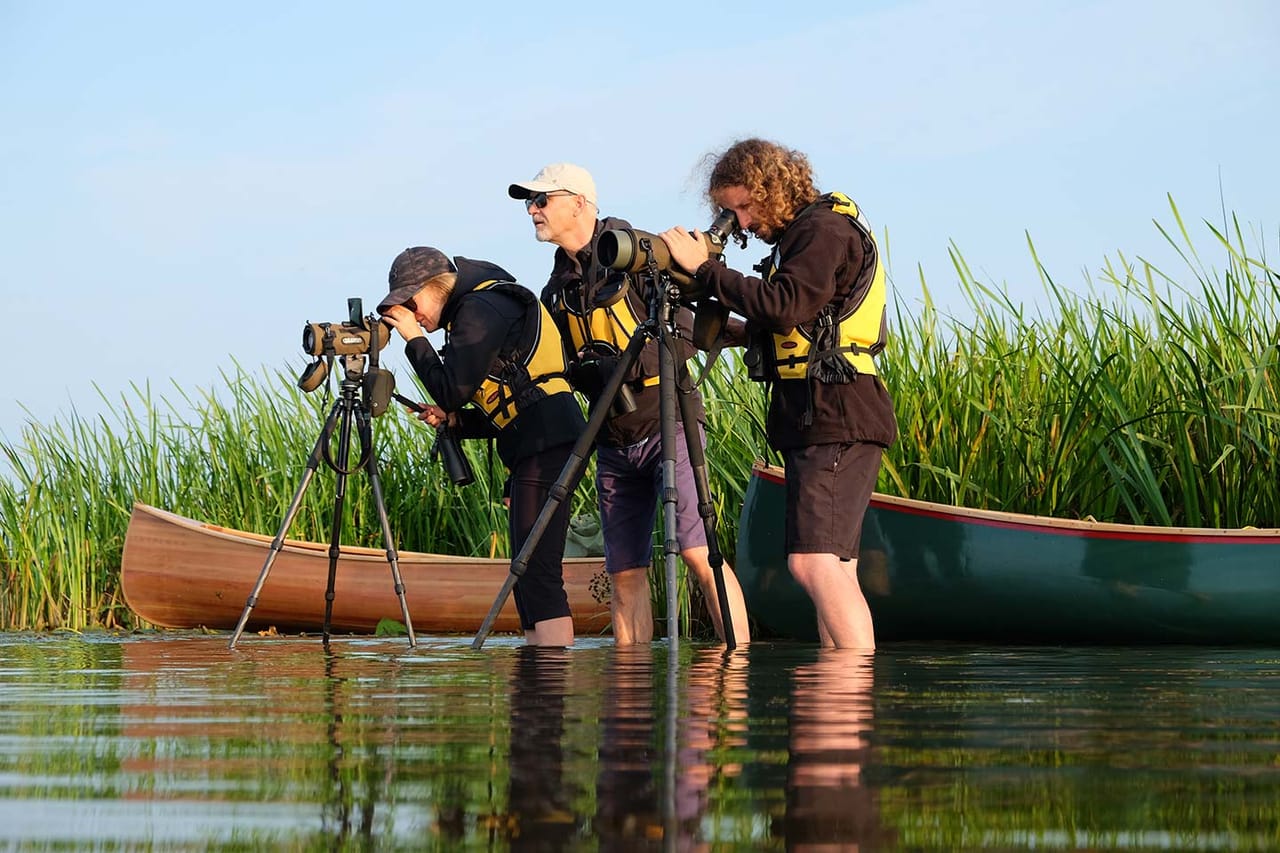
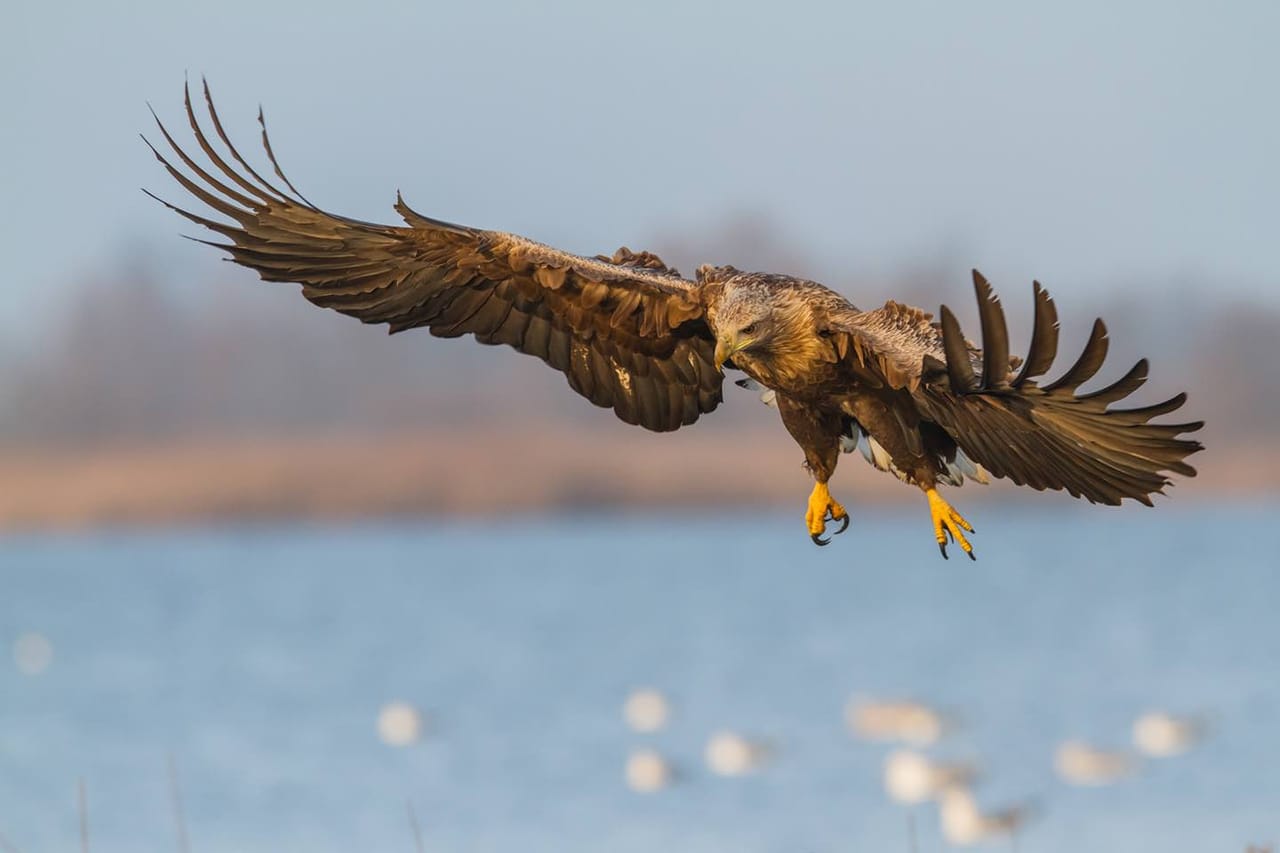
Paddle through one of Europe's most important bird migration corridors on a guided 5-hour canoe tour in the Nemunas Delta, accessing remote reed-bed sanctuaries unreachable by foot. This intimate wildlife experience lets you observe migratory and resident bird species in their natural habitat while navigating shallow lagoon waters and river confluences.
Ever wondered what does the bird paradise look like? The Bird Watch tour will give you precisely that - the sense of freedom and wilderness.
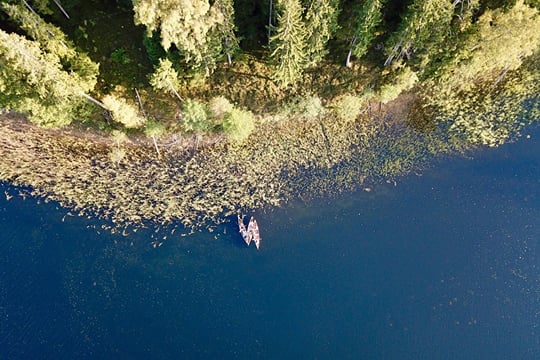
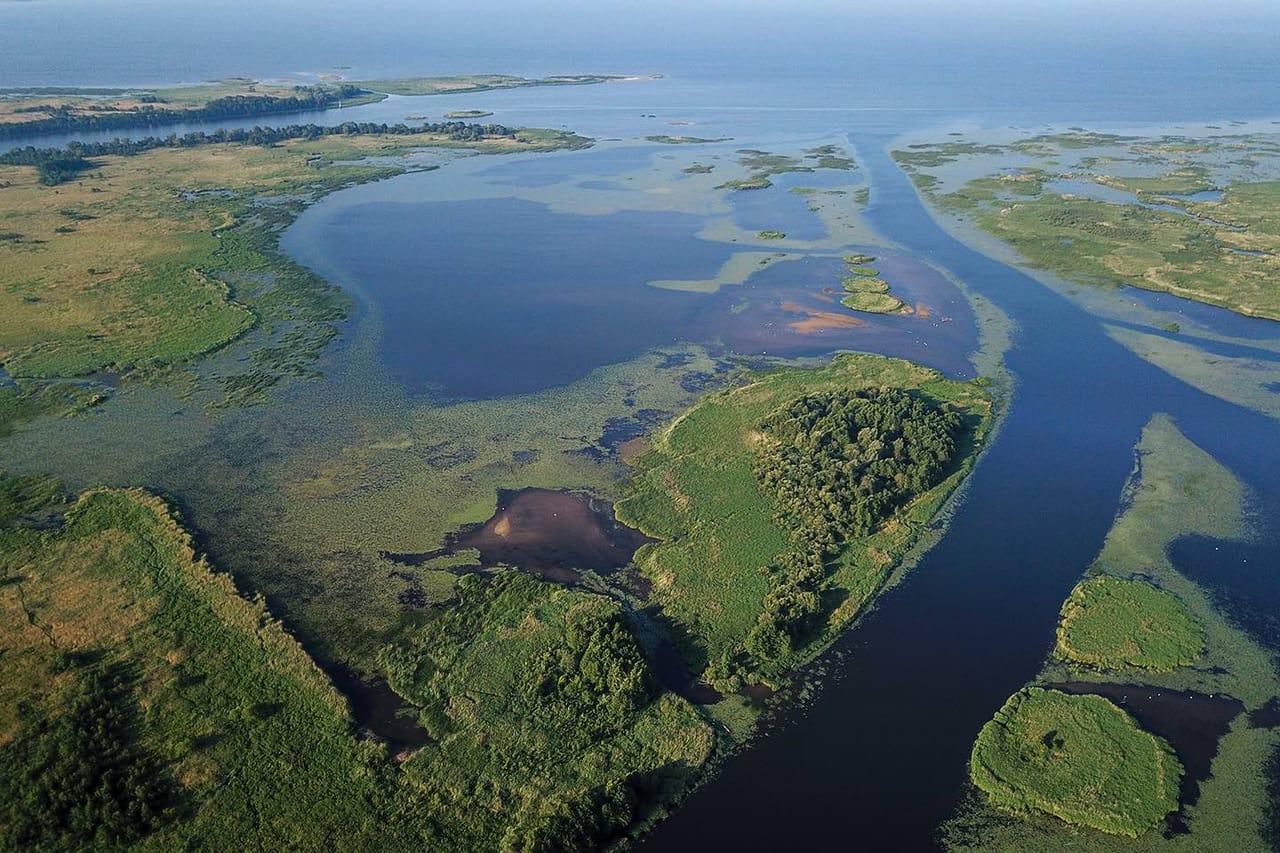
The shallow waters of the Curonian Lagoon share the confluence of the Nemunas and the Minija Rivers, where bulrush kingdom provides a shelter for millions of birds that migrate through these territories every season.
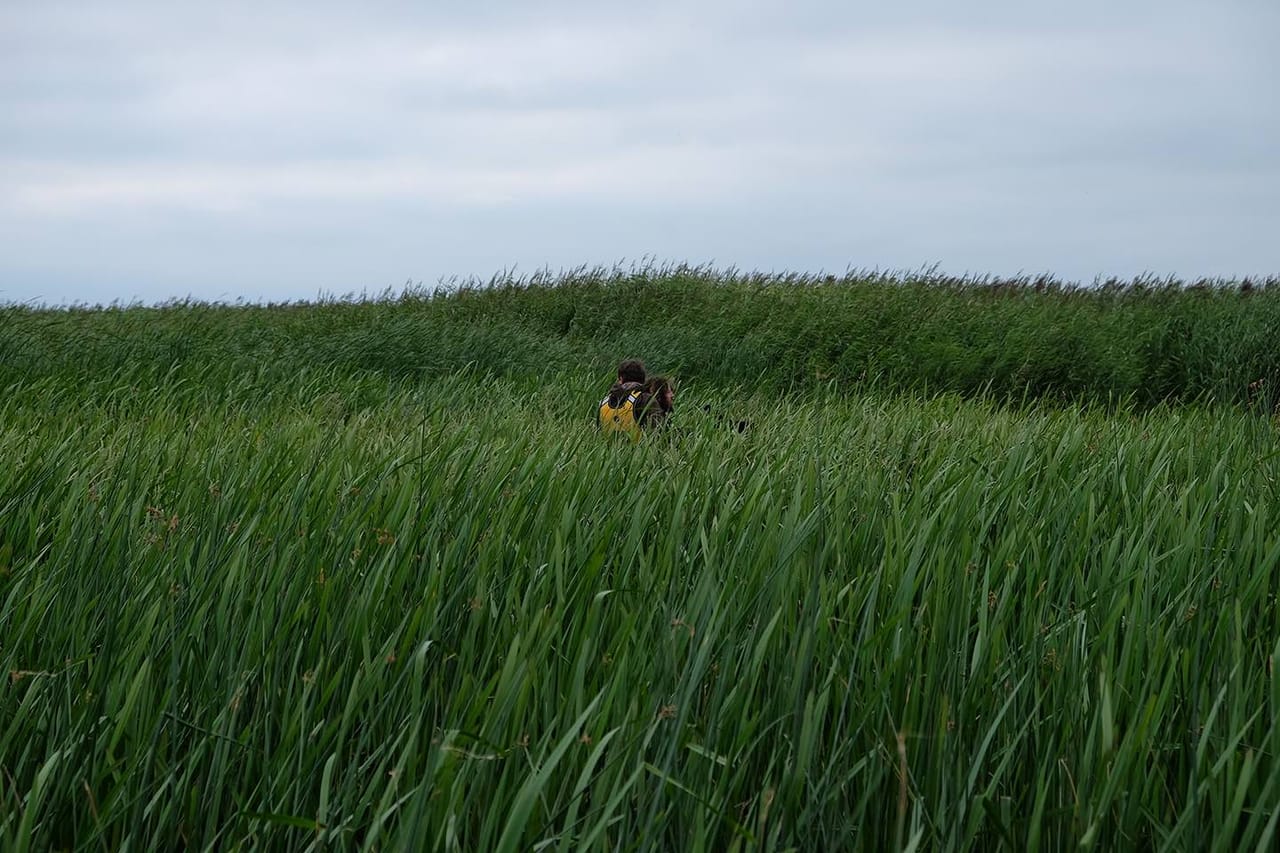
We will take you to the “hard to reach” spots that are only accessible by canoe. Thus, paddlers will admire the beauty and grace of the resting birds and undoubtedly the most spectacular panorama of the Nemunas River delta.
April–May and August–September during spring and autumn bird migrations, when species diversity and numbers peak. Early morning departures (dawn) maximise sighting opportunities.
Based on 3 ratings
Top-rated, great-value activities in Klaipeda