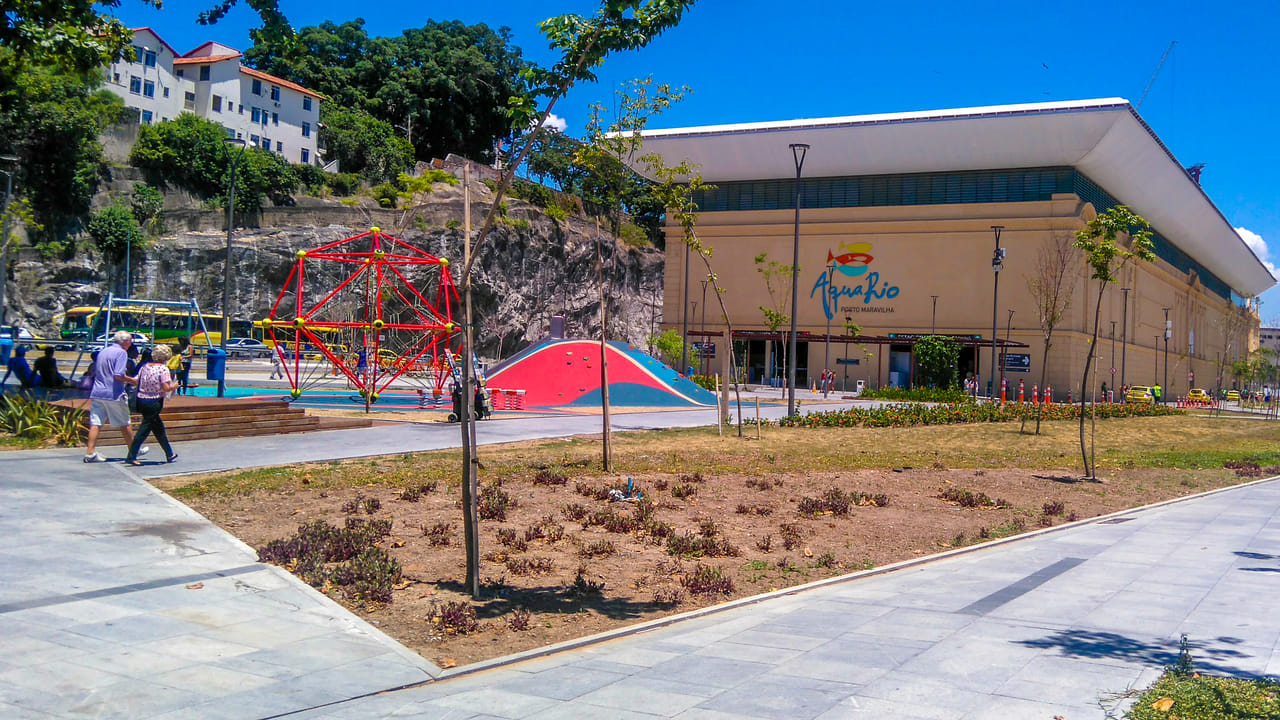
AQUARIO
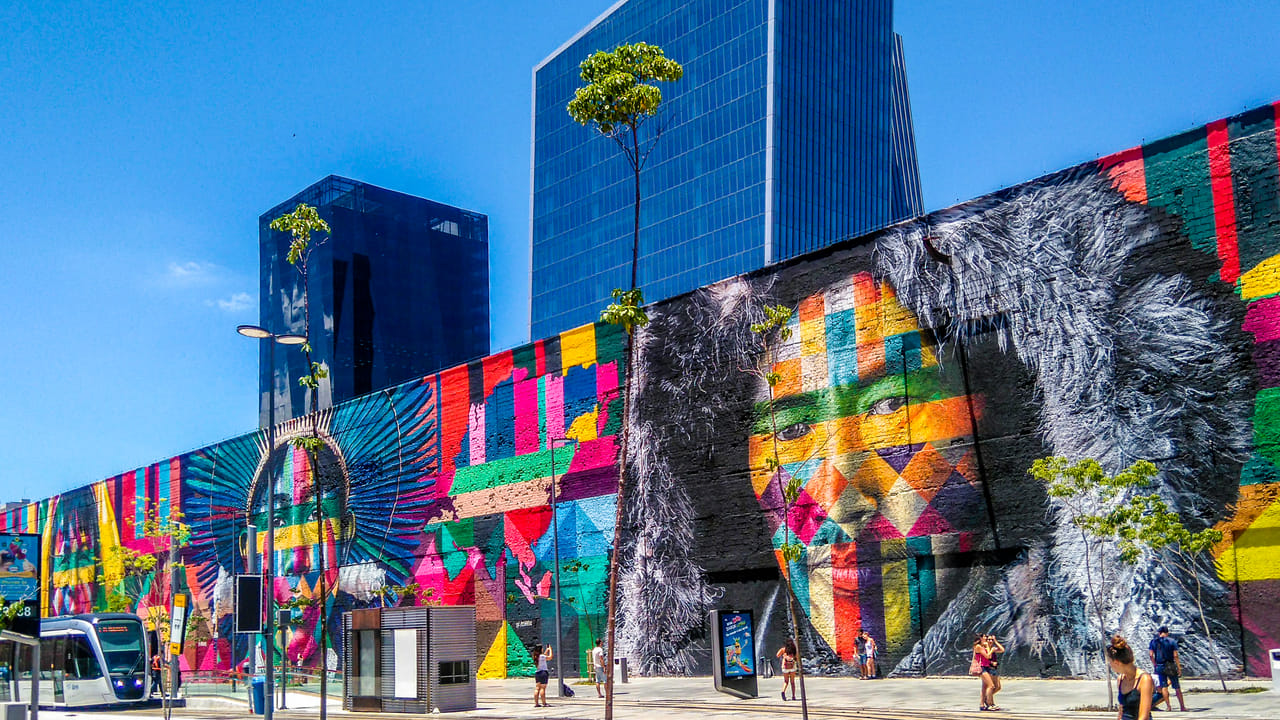
WE ARE ALL ONE
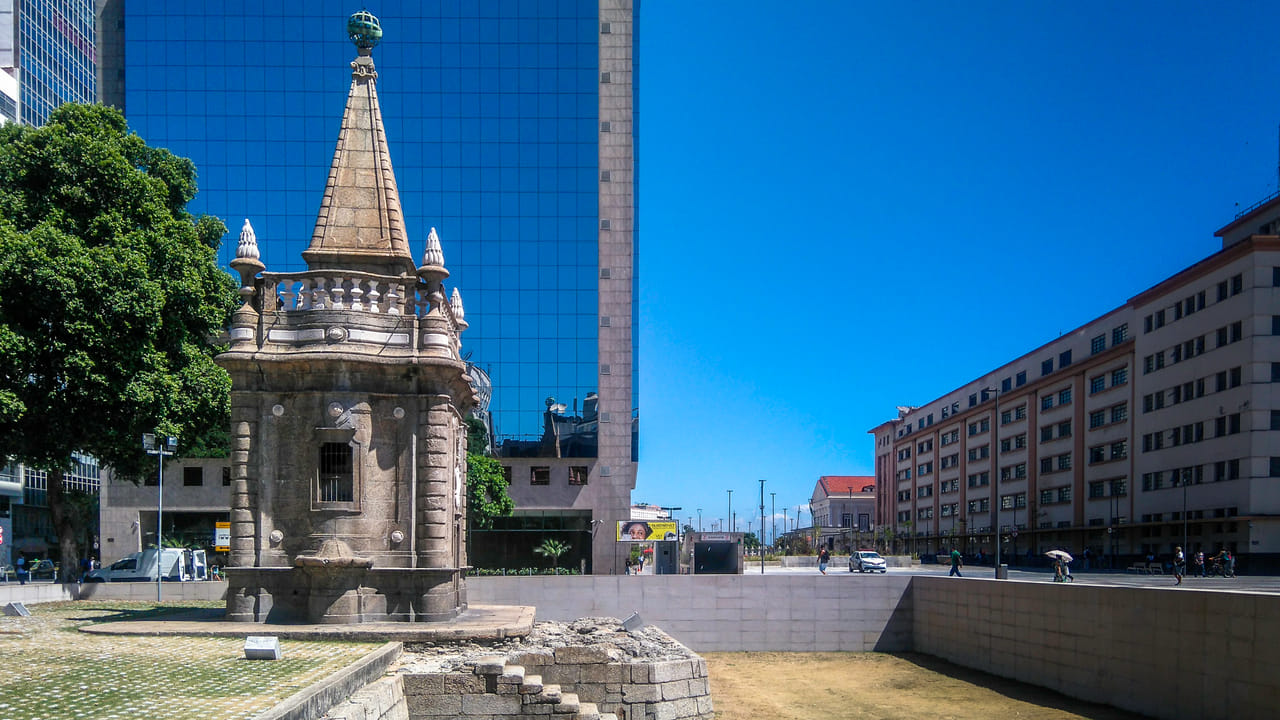
FAUNTAIN
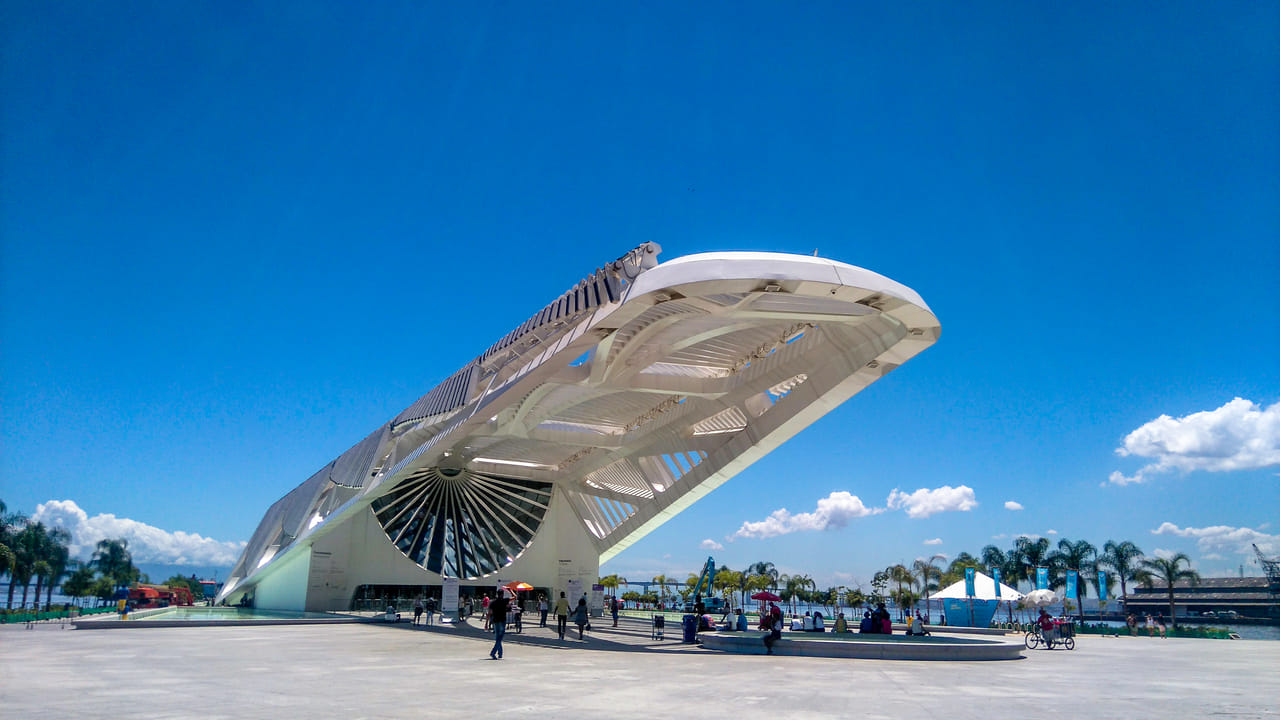
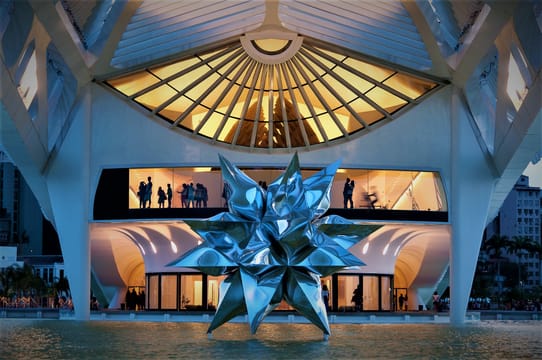
MUSEUM OF TOMORROW
MUSEUM OF TOMORROW-2
OLYMPIC PYRE
MAUÁ SQUARE
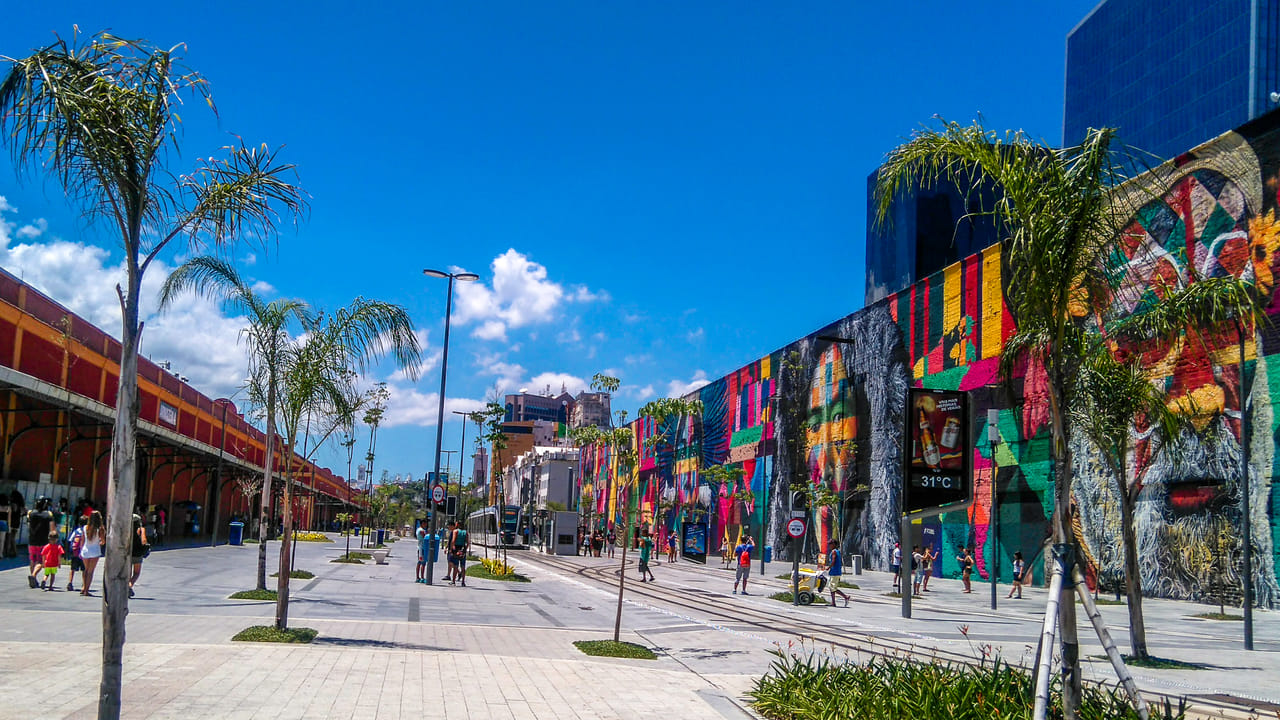
MURAL OF ETHNICS
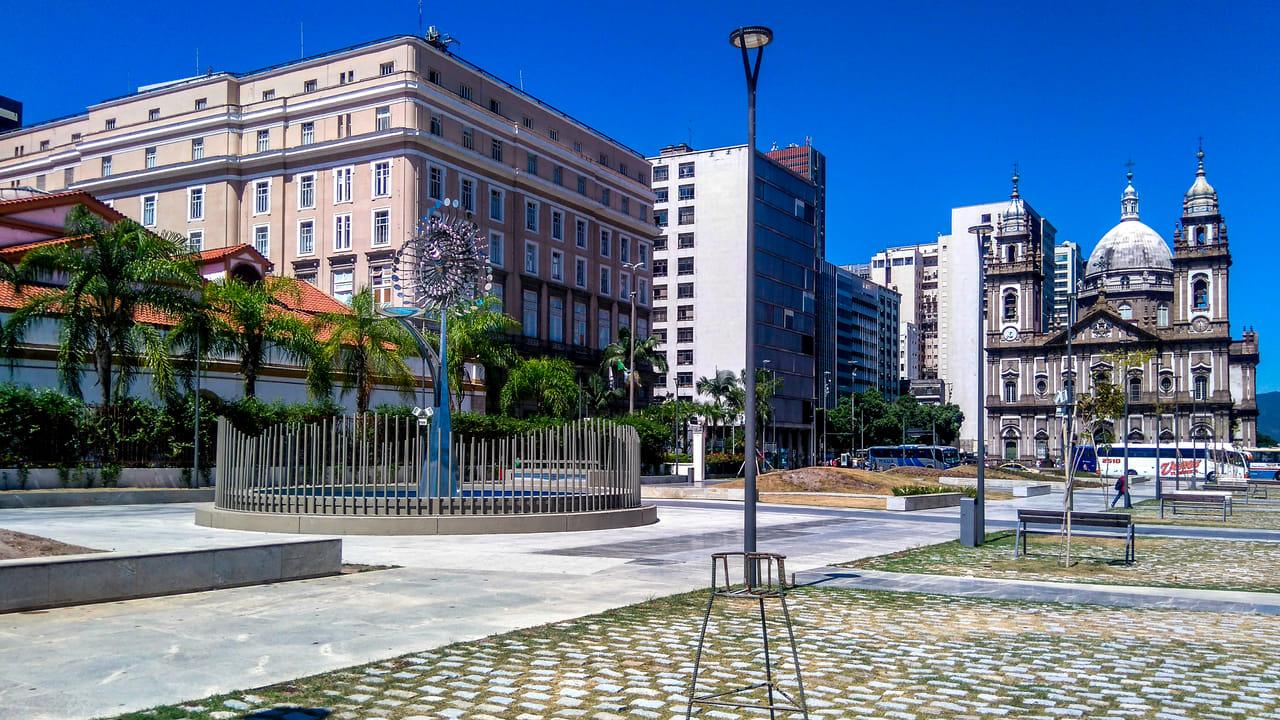
CANDELARIA AND OLYMPIC PYRE
WAREHOUSES AND THE MURAL
1 / 10

Along the Olympic Boulevard in Rio de Janeiro

(3)
Rio de Janeiro, Brazil
Cultural ToursAmusement ParkArts & Culture
Instant confirmationSecure checkoutNo hidden fees

About this activity

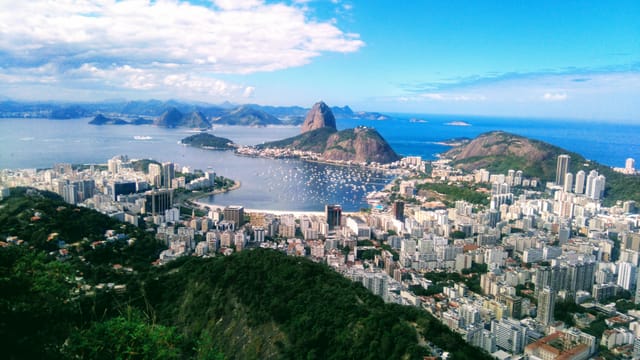
Explore Rio's transformation across three centuries on this guided walk along Olympic Boulevard, connecting colonial heritage with 21st-century innovation. You'll encounter the kinetic Olympic Pyre, the visionary Museum of Tomorrow, and São Paulo's largest street mural, all set against Guanabara Bay's backdrop.

Come and see Rio de Janeiro, Its past, present, and future, from the perspective of history, architecture, and landscapes, walking calmly along the Olympic Boulevard. Observe the Olympic Pyre, the Museum of Tomorrow and the largest mural in the world.

  • Observe the Olympic Pyre, the Candelária, the Museum of Tomorrow, and the “Wall of Etnies,” the largest mural in the world.
  • Get to know the history, the architecture and the landscapes of Rio de Janeiro from the Olympic Boulevard.
  • Admire the Olympic Pyre created by American artist Anthony Howe, with beautiful images, when moving.
  • Take a “selfie” close to the 20 pointed star sculpture created by the American sculptor Frank Stella in the mirror of water of the Museum of Tomorrow.
  • Observe the solar panels of the Museum of Tomorrow inviting us to understand the planet sustainability by collecting its energy.

The route turned out to be popularly known as Olympic Boulevard, a venue designed
for events promoted during the Olympic Games in 2016. 

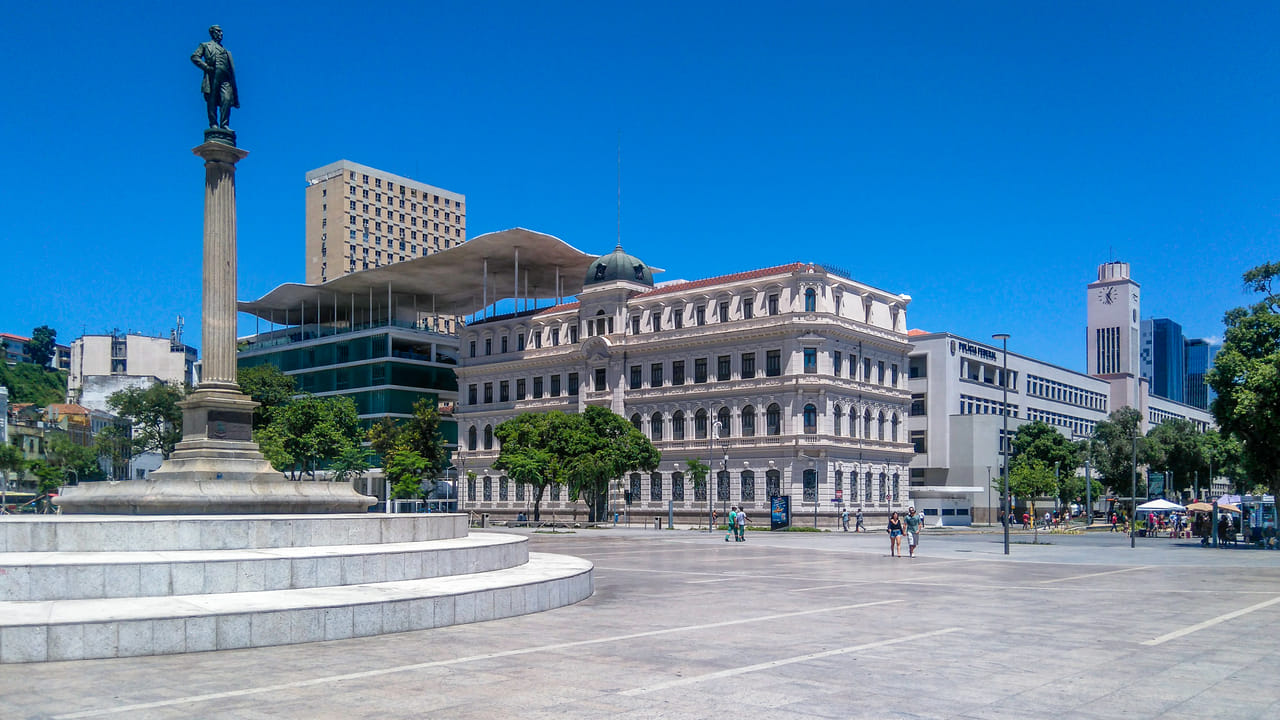
At the Imperial Palace or XV Square, we can observe the Colonial Fountain, a relic of the colonial architecture style in the 18th century.
It was an icon of the city when calling attention to being quite bold for that period. The fountain is all worked in carved stone. 

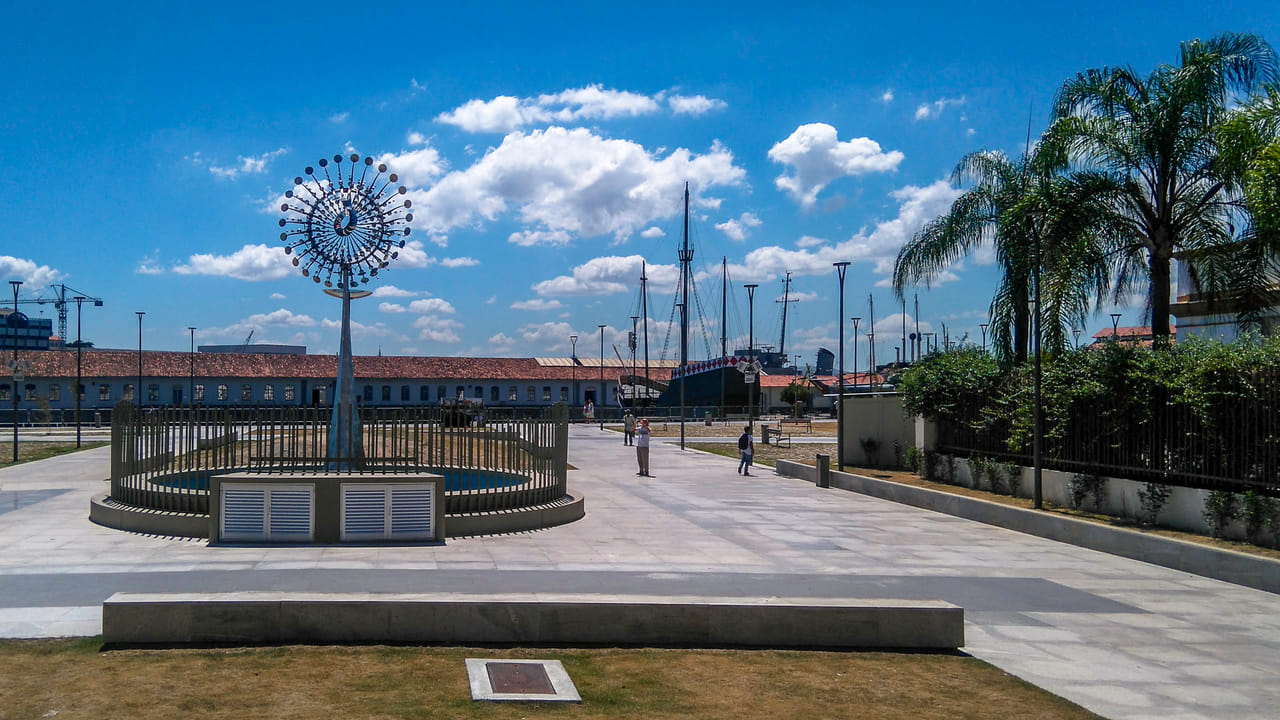
One of the must-sees for tourists and locals is the work of North American artist Anthony Howe, who created the Olympic cauldron in a dynamic structure that creates beautiful images when moving, whether with the Olympic fire lit or under the reflection of the sun on his spatulas Rotating. 

Viewed from different angles, Olympic Pyre has as background Candelaria, the Island of Cobras, the architectural ensembles of the France-Brazil House and the Banco do Brasil Cultural Center. Several angles that generate beautiful photos. 

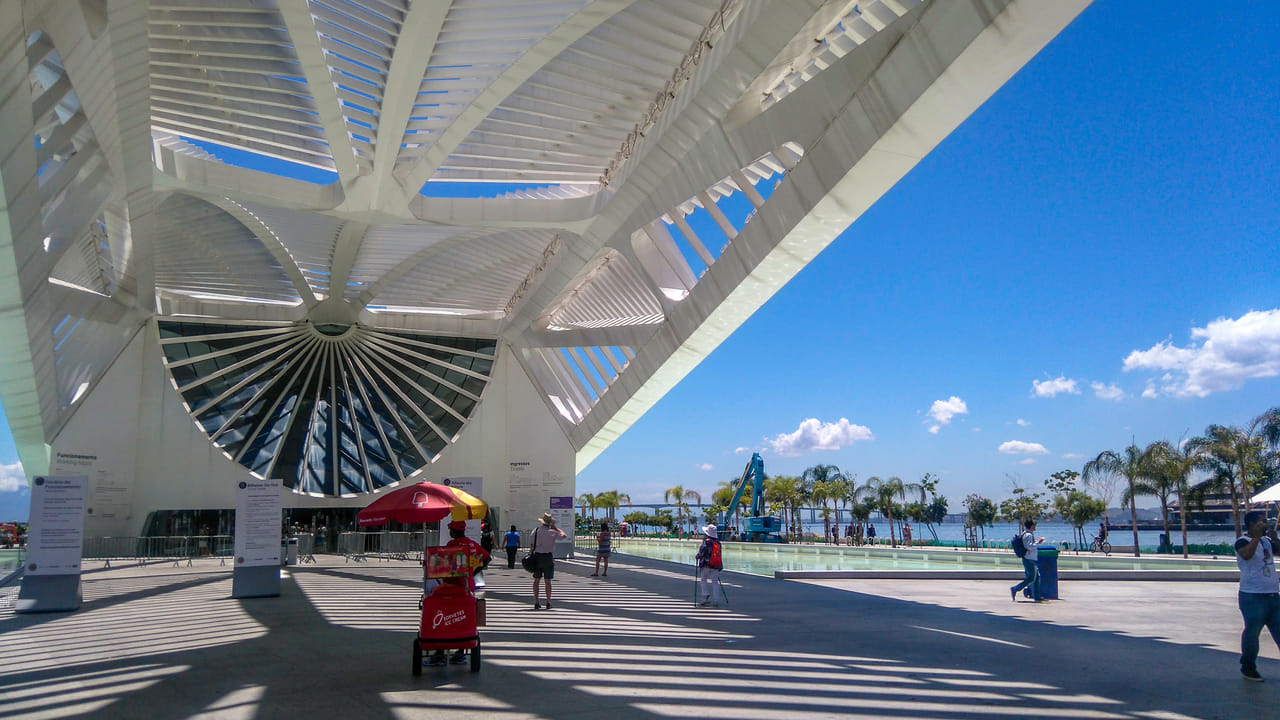
the Museum of Tomorrow, the work of the architect Santiago Calatrava, is dedicated to exploring, thinking and projecting the future. One of the most coveted spots for “selfie” lovers is the 20-pointed star created by the American sculptor Frank Stella. It stands in the mirror of water between the museum and Guanabara Bay. 

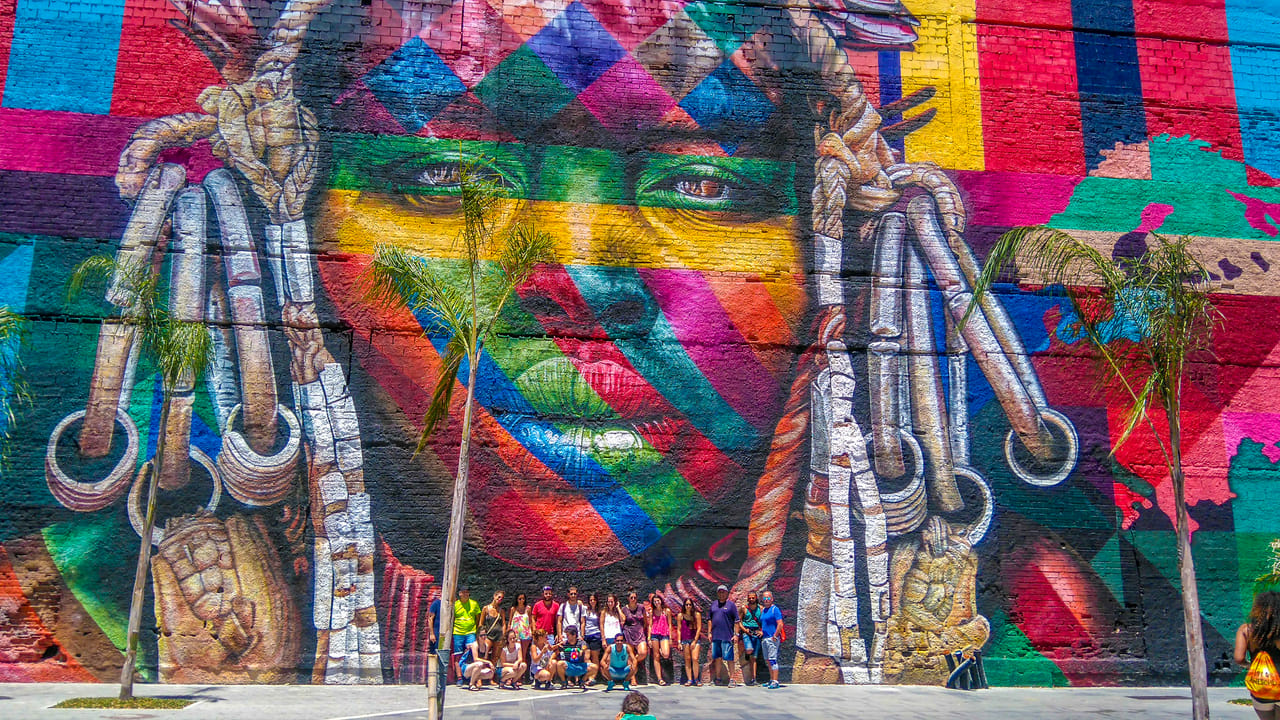
On the way to AquaRio, one can admire several murals. Among them, of course, the "Todos Somos Um," We Are All One, mural by Brazilian artist Eduardo Kobra. Guinness World Records recognized it as the largest mural in the world. 

Finally comes the newest attraction in Rio de Janeiro which is AquaRio, the largest aquarium in Latin America. AquaRio has 28 tanks in addition to a reservoir where you can see sharks and other giant fish, through an acrylic tunnel. The AquaRio deserves to be visited but allows an hour and a half for this.

After this tour, you will be able to choose the next scheduled visit to some of the attractions seen from the outside during the walk.  

Highlights

  • Dynamic Olympic Pyre by Anthony Howe—a spinning sculptural marvel that shifts with light and movement
  • Museum of Tomorrow's sustainable design: rooftop solar panels powering futuristic exhibits on planetary science
  • World's largest mural (Wall of Etnies) celebrating Rio's cultural diversity
  • Colonial Fountain at Imperial Palace—18th-century carved stone relic from Rio's royal past
  • Frank Stella's 20-pointed star sculpture reflected in the Museum of Tomorrow's water mirror
  • Guided narrative weaving Rio's history, architecture, and urban renewal story

Insider tips

  • Visit early morning (7–9 AM) to avoid crowds and capture the best light for photography, especially of the Olympic Pyre's moving shadows
  • Wear comfortable walking shoes; the boulevard is flat but 3 hours involves continuous pace with minimal shade—bring a hat and water
  • The mural and pyre are most visually striking in golden-hour light; if your tour is mid-morning, ask your guide about the optimal photo angles
  • Combine this with a visit to the Museum of Tomorrow's paid exhibits (extra cost) if you have time—many tour groups skip the interior

Good to know

  • Duration is 3 hours of walking at a leisurely pace; comfortable trainers and sun protection essential
  • Meeting point and exact start time will be confirmed after booking—likely near Central do Brasil or Praça XV
  • Tour is conducted in small groups; English-speaking guides available (confirm language preference at booking)
  • Museum of Tomorrow exterior/water features are included; interior museum entry typically not included in price
  • Generally accessible on flat, paved routes; confirm accessibility needs directly with supplier if you have mobility concerns

Who it's for

Architecture and design enthusiasts fascinated by Olympic-era urban planning and contemporary installation artHistory buffs seeking Rio's colonial roots and modern urban evolution in one narrativeInstagram-focused travellers wanting iconic photo ops (mural, water mirror, kinetic pyre)Cultural tourists exploring street art, public sculpture, and sustainability-focused museums

Best time to visit

Visit March–May or September–November for pleasant weather and lower humidity. Morning departures (7–9 AM) maximize photography quality and comfort; afternoon tours (2–4 PM) are hotter but feature dramatic late-day light.

Frequently asked questions

Available
From€75
per person