3 Days : Amazraou Oasis Sahara Expedition | Private & Luxury 1
3 Days : Amazraou Oasis Sahara Expedition | Private & Luxury 2
3 Days : Amazraou Oasis Sahara Expedition | Private & Luxury 3
3 Days : Amazraou Oasis Sahara Expedition | Private & Luxury 4
3 Days : Amazraou Oasis Sahara Expedition | Private & Luxury 5
3 Days : Amazraou Oasis Sahara Expedition | Private & Luxury 6
3 Days : Amazraou Oasis Sahara Expedition | Private & Luxury 7
3 Days : Amazraou Oasis Sahara Expedition | Private & Luxury 8
3 Days : Amazraou Oasis Sahara Expedition | Private & Luxury 9
3 Days : Amazraou Oasis Sahara Expedition | Private & Luxury 10
1 / 10

3 Days : Amazraou Oasis Sahara Expedition | Private & Luxury

(5)
Marrakesh, Morocco
Adventure ToursSafari & WildlifeATV & Quad ToursAdrenaline & ExtremeArts & Culture

About this activity

A 3-day immersive journey into Amazraou, a remote Saharan oasis settlement of 5,000 residents, where you'll explore the architectural remnants of the historic Jewish quarter (mellah), navigate centuries-old fortified kasbah ruins, and engage with the Draoui nomadic communities who have cultivated this valley for generations. This private expedition combines cultural archaeology with hands-on local experiences—from traditional pottery and weaving workshops to sunrise walks through date palm groves along the Drâa River.

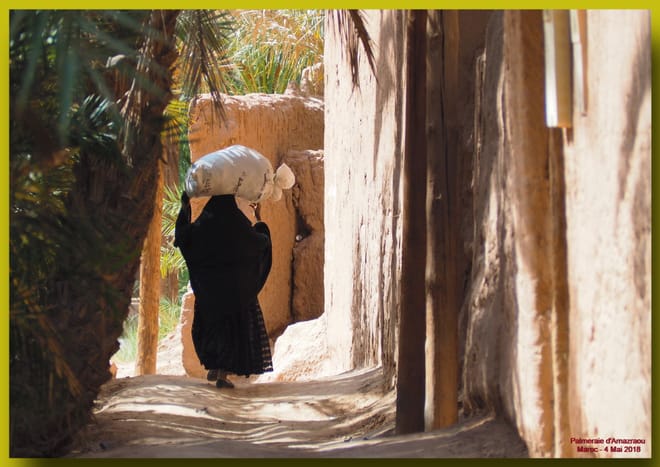
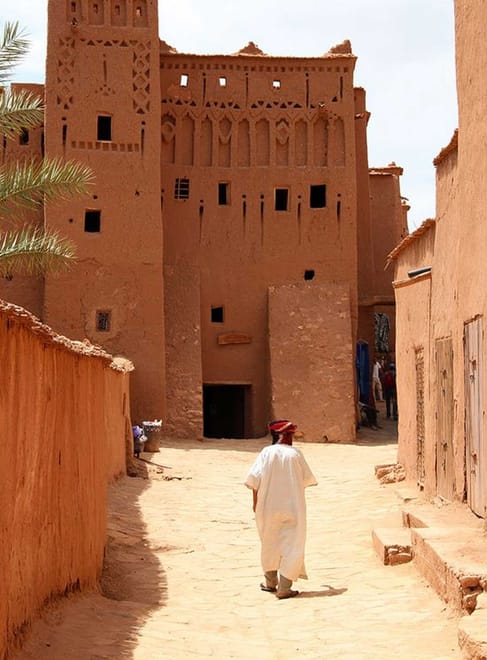
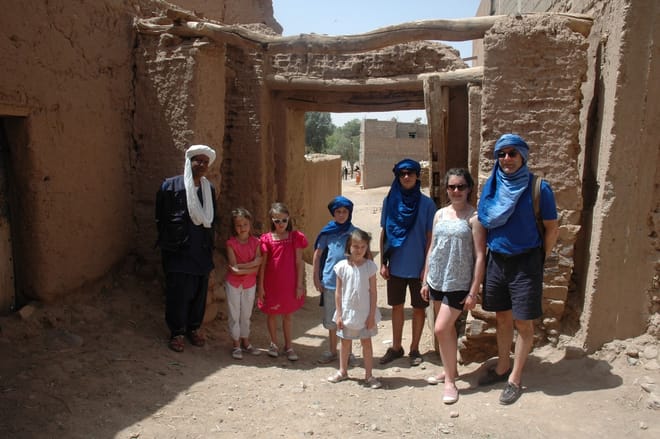
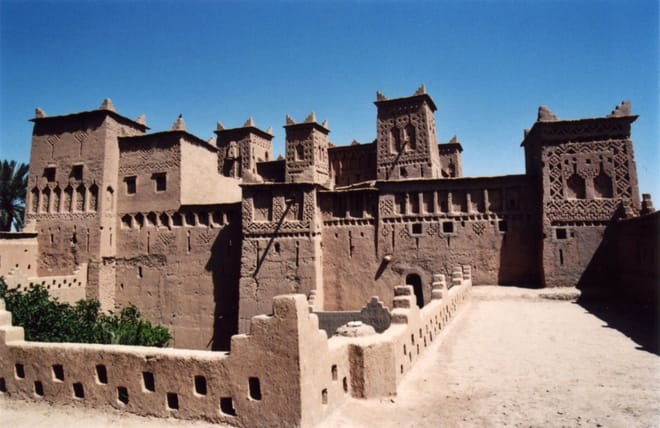
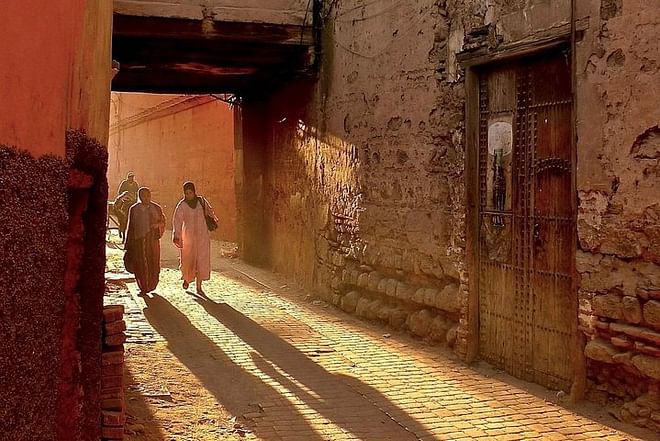
The small Oasis of Amazraou, about 5,000 inhabitants, Its visit is very interesting, with first of all the kasbah of the Jews (mellah) which stands out as a particularly impressive monument. The narrow streets and underground galleries accentuate the height of the ramparts and walls. In this maze, you will meet donkeys in semi-liberty as well as children who, running in all directions, make their cries and laughter resound.

At 600 m from there, you will take great pleasure to walk between the palm trees and the dunes of the palm grove that runs along the banks of the Drâa river. 

The last Jews left Amazraou in 1958, and the village is now mainly inhabited by the Draoui, nomads from Sudan who gave their name to the Draa Valley. 

They cultivated date palms according to a centuries-old system, the hamas. They kept one-fifth of the harvest for themselves, the owners recovered three-fifths, and the remaining one-fifth was distributed to the poor. 

Will guide you through the ksar. Here, contrary to the usual practice, the west gate was used by Jews and the east gate by Muslims. Inside, the old synagogue is unfortunately in ruins. Further on, the taghadirt, a former lookout post, stands above the houses and overlooks the valley, offering its occupants breathtaking views of the surroundings.

* Human Based experiences

- Getting in close contact with the authentic life of local people 

-Getting engaged in learning some local handicrafts( pottery , raffia , reed handicrafts)

- Getting experinced some rural woman household activities( cooking , breadmaking ...

-Taking part in doing some seasonal activities( Dates Palms…)

-Ggetting particpated in local music event.

-Getting shared the life of the farmer knowing how they produce thier foods

* Nature based activities

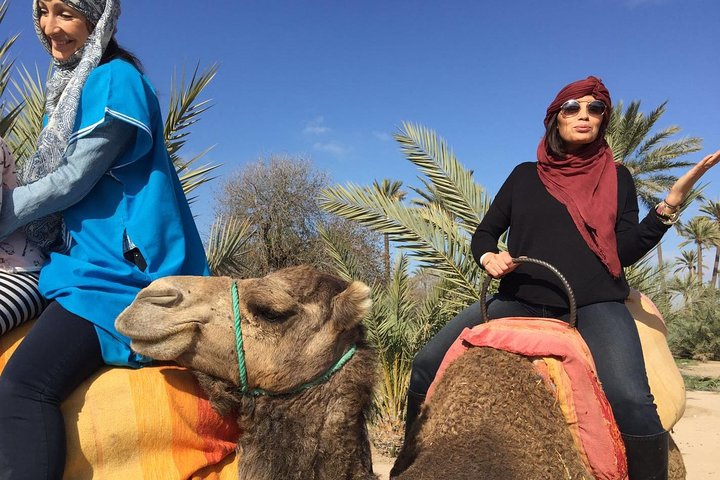
- Mule or Donkey riding 

- Walking through The Djbel Zagora

- Explore local villages.

Highlights

  • Explore the atmospheric mellah (Jewish quarter) with its towering ramparts and underground galleries
  • Learn traditional hamas date-palm cultivation systems still used by local farmers
  • Workshop in local handicrafts: pottery, raffia weaving, and reed work with resident artisans
  • Hike to the taghadirt lookout post for sweeping valley vistas and photography
  • Walk among palm groves and dunes fringing the Drâa River at dawn or dusk

Insider tips

  • Visit in cooler months (October–April); summer heat in the Sahara oasis can be extreme
  • Wear sturdy closed shoes for navigating narrow, uneven ksar streets and underground passages
  • Arrive early at the mellah to avoid crowds and capture morning light on the ramparts
  • Ask your guide about the east and west gate division—a rare historical detail reflecting separate Muslim and Jewish access patterns

Good to know

  • Private tour format: personalised pace and access to local homes and workshops
  • Bring sun protection (hat, high-SPF sunscreen), water, and a headlamp for underground galleries
  • The synagogue is in ruins; photography may be emotionally sensitive—respect local customs
  • Basic fitness required for uneven terrain; not wheelchair-accessible in the mellah or kasbah
  • Meet in Marrakesh; transport to Amazraou (approx. 250 km south) included

Who it's for

Culturally curious travellers seeking off-the-beaten-path Moroccan heritagePhotography enthusiasts drawn to dramatic architecture and golden-hour desert lightArtisans and craft enthusiasts interested in traditional weaving and pottery techniquesLuxury travellers wanting private, guided access without crowds

Best time to visit

October to April offers comfortable daytime temperatures and clear skies ideal for exploration and photography. Early morning or late afternoon light transforms the oasis landscape and mellah walls into photographer's gold.

Frequently asked questions

From
€675
per person