
4.4·Barcelona·8h
Private Barcelona Highlights: Gothic Sagrada Familia & Park Güell
On this private tour, enjoy skip-the-line entrance to Sagrada Familia, take in the cityscapes from...
From€575.00
per person · min 2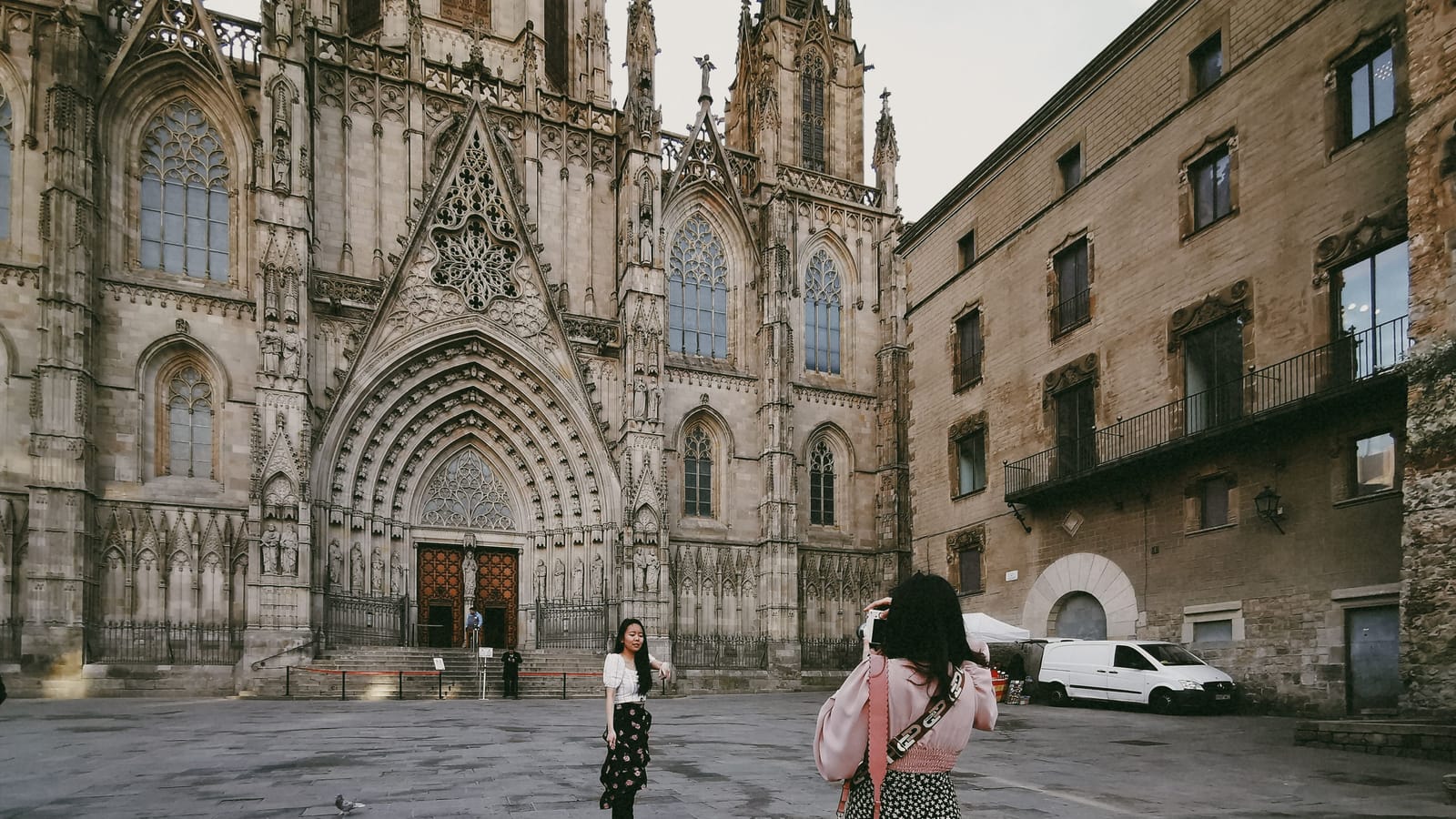
8+ tours, tickets and activities at Gothic Quarter in Barcelona. Book with instant confirmation, free cancellation and our lowest price guarantee.
On this private tour, enjoy skip-the-line entrance to Sagrada Familia, take in the cityscapes from...
 Top Deal
Experience an authentic flamenco show, enjoy an exclusive Catalan cuisine tapas dinner, and take in...
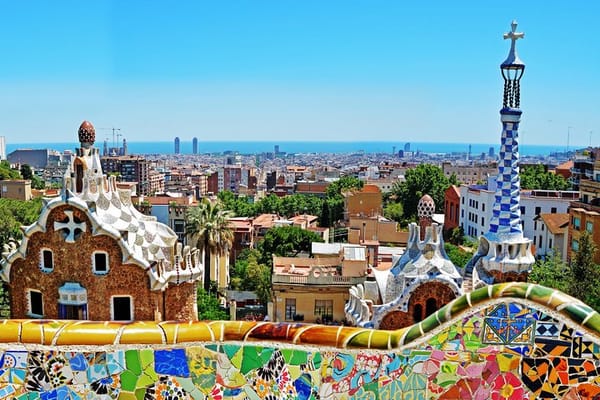
Discover the highlights of Barcelona and Gaudi’s masterpieces with skip-the-line to Sagrada...
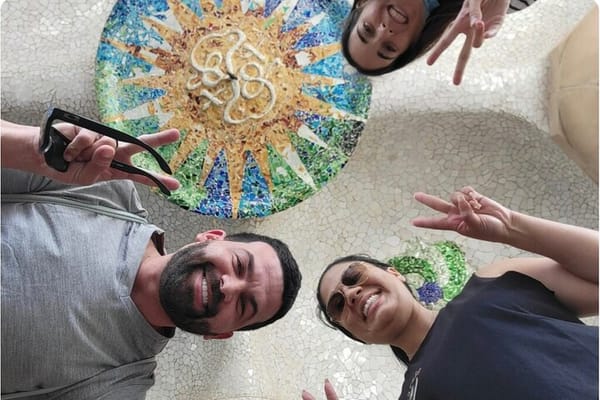
Discover the highlights of Barcelona and Gaudi’s masterpieces with skip-the-line to Sagrada...
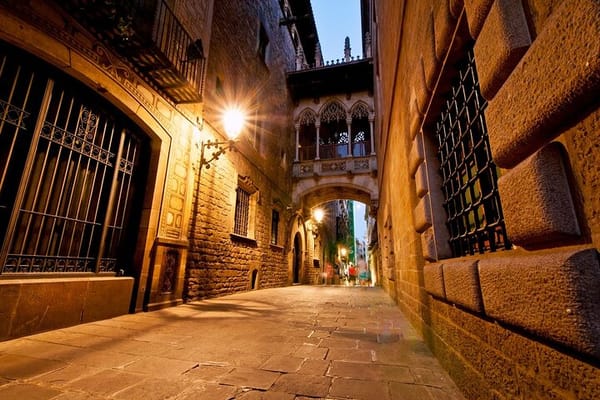
Barcelona, dusk. You are T. F. Specter, a writer of ghost stories haunted by writer's block....
 Most Popular
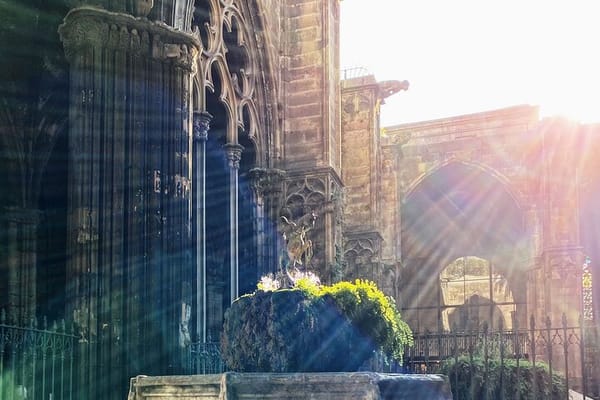
Private Walking Tour - Discover the Gothic Quartes and all about the greates painter , Picasso.
 Top Deal
Embark on a haunted quest around Barcelona by solving clues to see if a famous Catalan urban legend...
 Top Deal
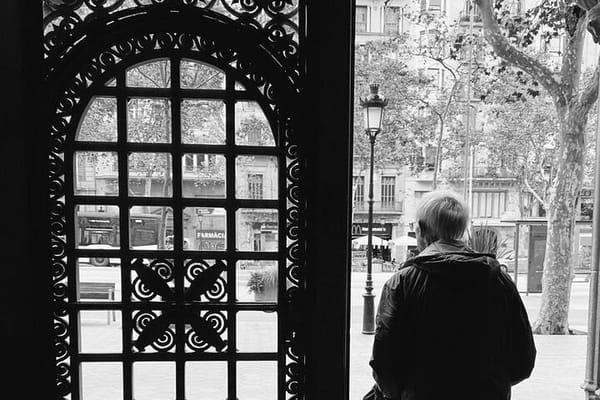
Private Walking Tour - Discover the Gothic Quartes and all about the greatest painter , Picasso.
Gothic, Spain is not a city but rather a stylistic and architectural movement that flourished in Spain primarily during the 13th–16th centuries, with outstanding examples still visible across the country today.
The Cathedral of Burgos, one of Spain's most magnificent Gothic structures, took nearly 300 years to complete (1221–1567) and is a UNESCO World Heritage site featuring intricate stonework and soaring ribbed vaults.
Spanish Gothic architecture uniquely blended Islamic influences from Al-Andalus with European Gothic traditions, creating a distinct regional style sometimes called 'Isabelline Gothic' during the reign of the Catholic Monarchs.
The Toledo Cathedral, another Spanish Gothic masterpiece completed in 1493, houses works by El Greco and showcases the fusion of Christian, Jewish, and Muslim artistic heritage characteristic of medieval Spain.
Spanish Gothic cathedrals were often funded by merchant guilds and wealthy nobles, resulting in elaborate decorative programs that reflected the rising prosperity of medieval Spanish kingdoms rather than purely religious devotion.